

West Texas neighborhoods offer more variety than many buyers expect, from established blocks near mature parks to newer areas with quick highway access and convenient retail corridors. If you are comparing where to start your search, the most useful lens is often daily function: how the streets connect, how far key destinations are, and what public spaces shape the feel of the area. This guide breaks down the practical details that can make one neighborhood a better fit for your schedule, budget, and home goals.
How to Read a West Texas Neighborhood Beyond the Listing Photos
In this part of Texas, neighborhood character is often defined by simple, visible details: lot sizes, street layout, tree cover, access roads, and the rhythm of nearby commercial corridors. A beautiful kitchen matters, of course, but so does what happens when you pull out of the driveway at 7:45 a.m., head to a grocery run after work, or want a nearby park for a walk at sunset. Those everyday patterns are what turn a home search into a smart location decision.
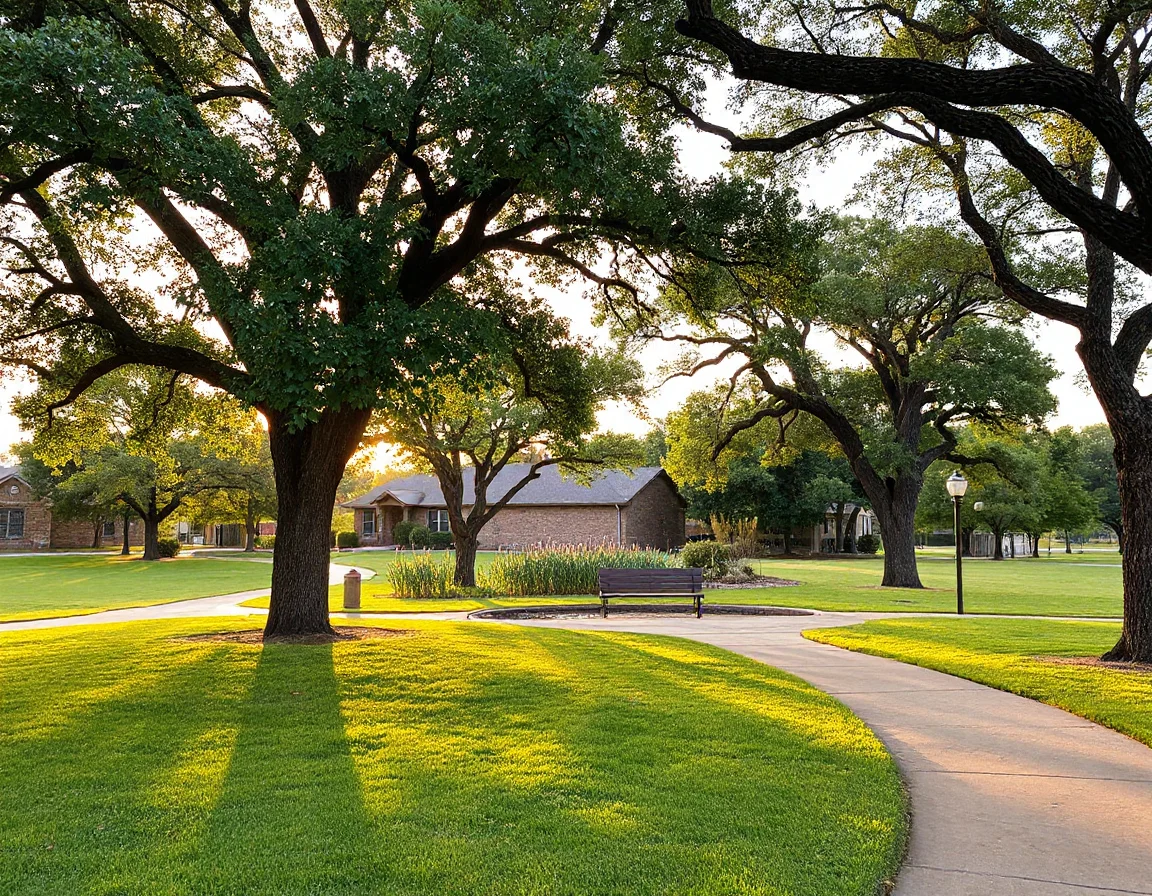
Many West Texas communities blend older residential sections with more recent development at the edges of town. That means buyers may find very different experiences within the same city. One area might offer wider lots, mature landscaping, and slower local streets, while another may provide newer construction, sidewalks, and easier access to major routes. Neither is automatically better; the key is deciding which features support your routine.
It also helps to remember that “main street” can mean different things across the region. In some towns, it is a historic core with civic buildings, local businesses, and community events. In others, the practical center of daily life may be a busy road lined with essential services, schools, medical offices, and shopping centers. Looking at where people actually spend time during the week can tell you more than a neighborhood label alone.
A neighborhood can feel very different at 8 a.m., 3 p.m., and 6 p.m. When possible, drive the area more than once before narrowing your shortlist.
Parks and Open Space Can Shape Daily Life
Across West Texas, parks often do more than provide a patch of grass. They create breathing room in places where open skies and big horizons are part of the regional appeal. A nearby park can add walking routes, playgrounds, sports fields, shade structures, or simply a place to spend time outdoors without a long drive. Even smaller pocket parks or trail connections can make a noticeable difference in how often residents use the surrounding area on foot.
When evaluating a neighborhood near a park, look past the map pin and consider the actual connection. Is there a direct route from the block, or do you need to cross a major road? Are there sidewalks, lighting, or a comfortable walking path? Is the park active with courts and fields, or quieter with green space and benches? These details help define whether the amenity becomes part of your routine or stays more of an occasional bonus.
Open space can also influence home design and pricing. Properties near parks or along greenbelts may have different orientation, visibility, and lot use than homes deeper inside a subdivision. In some parts of West Texas, a home with a view line toward open land or a drainage corridor may feel more spacious, even when the square footage is similar to nearby options. That is the kind of nuance worth noticing during showings.
Main Streets, Everyday Errands, and Local Energy
A walkable historic district can be a major draw, but convenience matters just as much. In West Texas, the strongest neighborhood locations are often the ones that balance character with access. Being a few minutes from a town square, library, public park, coffee stop, or weekly community event can make an area feel connected. At the same time, easy access to practical destinations like pharmacies, hardware stores, and healthcare services may carry even more weight in day-to-day life.
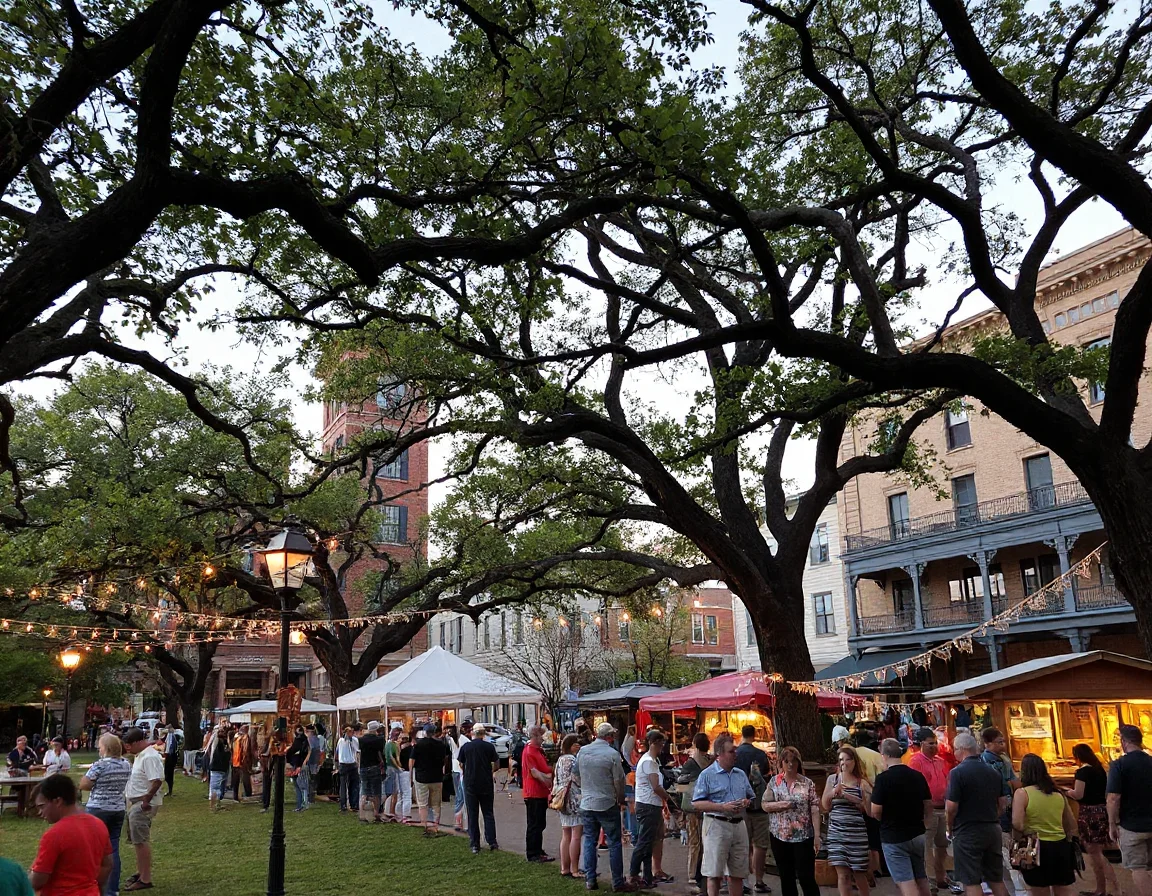
Some buyers prefer to be close to older commercial districts because they value architecture, local events, and the feel of an established center. Others prioritize efficient access to newer corridors where errands can be done quickly in one trip. Neither preference is right or wrong. The best choice depends on whether you want a neighborhood that encourages strolling and browsing, or one that keeps your weekday schedule streamlined.
Traffic flow is part of this discussion too. A home that looks close to everything on a map may sit near a road that backs up during school drop-off or afternoon commuting hours. Another property may be slightly farther out but save time thanks to easier turning patterns and faster arterial access. In broad, spread-out West Texas communities, five minutes of smoother driving can matter more than one mile of theoretical proximity.
Established neighborhoods near civic centers can also hold their appeal over time because they are anchored by enduring destinations rather than a single new development cycle. That does not guarantee value movement, but it can make the location easier to understand and compare during a search.
If a neighborhood is near both a park and a daily-service corridor, it often delivers a stronger blend of convenience and outdoor access than areas that offer only one or the other.
Commute Considerations in a Region Built Around Driving
Commute planning in West Texas is not only about distance. Road type, railroad crossings, turning patterns, school traffic, and weather exposure can all affect drive times. A route that looks short on paper may include stoplights or congestion points that add unpredictability. By contrast, a home a bit farther from the center may offer a more direct trip via loop roads, frontage roads, or lightly traveled connectors.
For buyers relocating from denser metro areas, West Texas driving often feels easier overall, but local variation still matters. Think about your most frequent destinations rather than a single workplace: grocery stores, medical appointments, schools, parks, airport access, and weekend recreation. A neighborhood that trims time from several weekly trips may function better than one that only improves one route.
Seasonal conditions can also shape your choice. Harsh sun exposure, wind, and occasional storms are part of life in many West Texas markets, so covered parking, garage orientation, and road conditions around the neighborhood may deserve more attention than they would in another region. These are practical factors, but they often influence satisfaction just as much as interior finishes.
What to Compare When Narrowing Your Search
Once you have identified a few promising neighborhoods, compare them using a consistent checklist. Start with home style and lot configuration: older ranch layouts, newer open-concept plans, corner lots, cul-de-sac placement, and alley access can all affect how a property lives. Then look at adjacency. Is the home backing to a collector road, green space, or another residential block? Is it close to a park entrance or simply within the larger area?
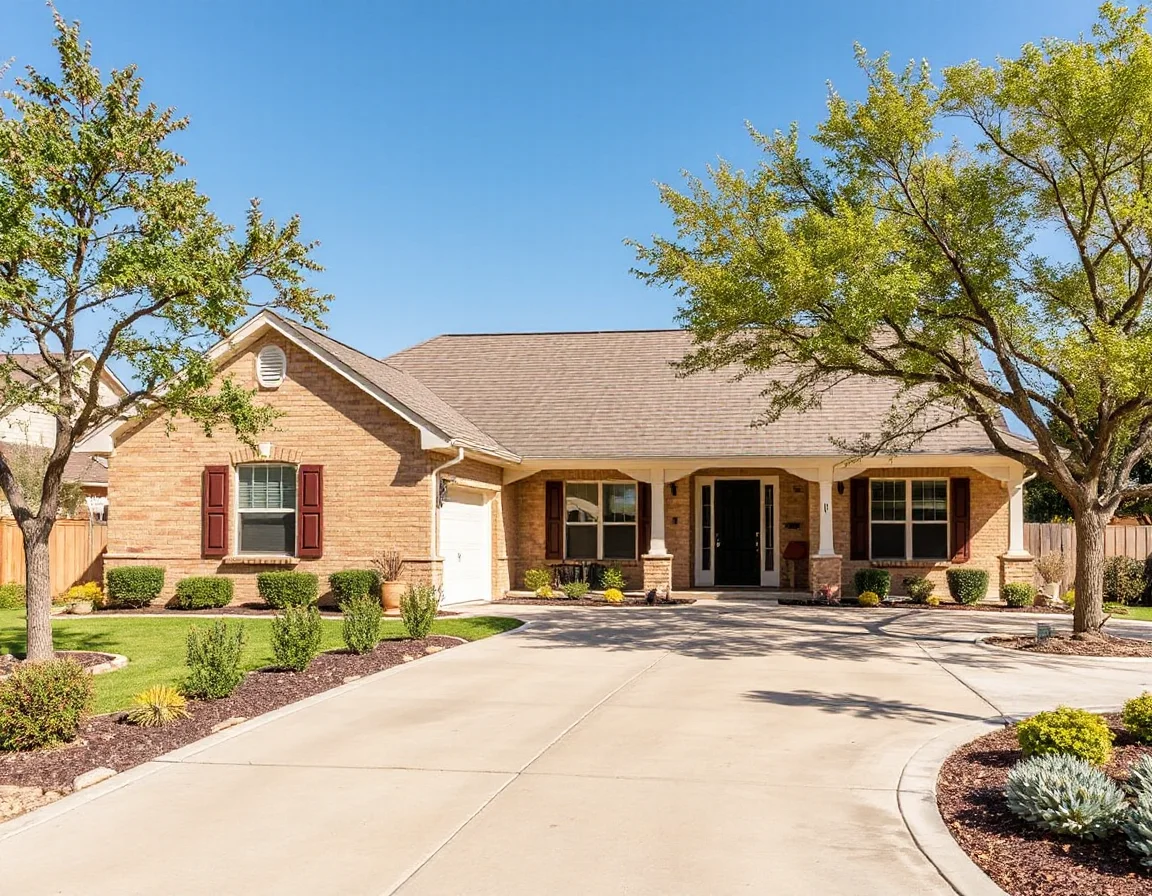
It is also smart to compare maintenance cues throughout the neighborhood. Consistent property upkeep, street condition, and landscaping patterns can help you understand how the area presents as a whole. This is not about making assumptions about people; it is about observing the visible condition of homes, public spaces, and infrastructure. Those clues often tell you whether a neighborhood aligns with the level of maintenance and appearance you want around your property.
Finally, give yourself room to weigh intangible feel against hard numbers. One block may stand out because of mature trees and a calm street pattern. Another may win on pure efficiency because it cuts down your commute and puts services close by. A good decision usually comes from balancing both: how the place works and how it feels when you are there.
West Texas neighborhoods reward buyers who look beyond headline descriptions and focus on daily living. Parks, main streets, and commute routes are not side notes; they are often the framework that determines whether a home remains convenient and enjoyable over time. When you evaluate those pieces carefully, it becomes much easier to choose a neighborhood that supports the way you want to live, move, and spend your time.