

North Texas real estate decisions are rarely about one headline number. Price trends, the number of available homes, condition, location, financing terms, and timing all shape what a buyer may offer or what a seller may reasonably expect. Knowing how those pieces work together can make negotiations more focused and less stressful.
Why North Texas Market Numbers Need Context
It is tempting to judge the market by a single statistic: the median sale price, the number of active listings, or a headline about mortgage rates. In North Texas, however, conditions can shift noticeably from one city, neighborhood, property type, and price range to the next. A newer home near major employment centers may draw a different level of attention than an older property with a larger lot, and a condominium can follow a different rhythm than a detached home.
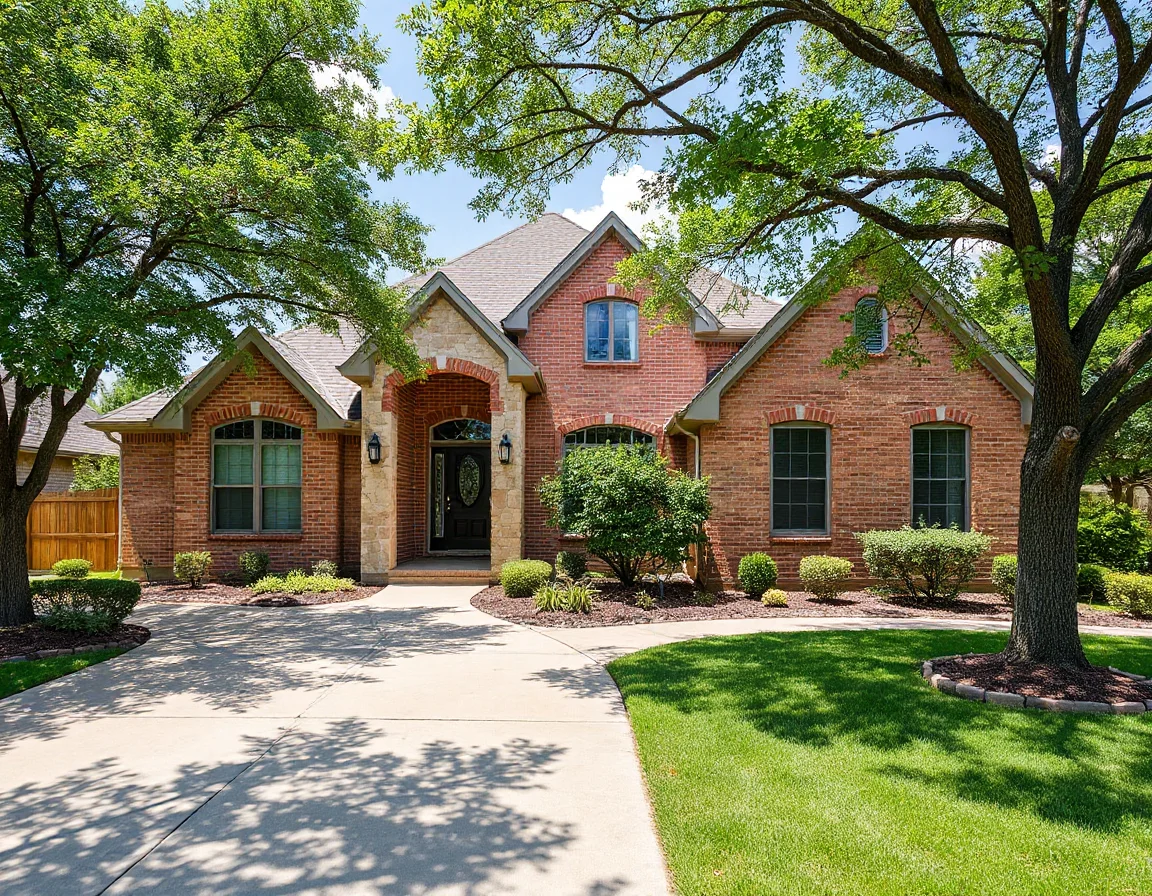
Home prices tell a story, not the whole story. Median and average prices are useful for identifying broad movement over time, but neither automatically establishes the value of a particular home. The most relevant comparison is a group of recent, similar closed sales adjusted for meaningful differences. Square footage, lot characteristics, renovations, age, floor plan, condition, school district boundaries, and proximity to transportation corridors can all influence the final result.
For buyers, a rising price trend does not mean every listing should receive the same aggressive offer. Some homes arrive at the market priced close to recent comparable sales and receive quick interest. Others may have been available longer because the asking price, presentation, condition, or terms are out of step with competing options. For sellers, a favorable regional trend does not eliminate the need to prepare, price, and market a property with care.
The most useful pricing question is not “What are homes selling for in North Texas?” but “What have closely comparable homes sold for recently, and how does this property differ?”
When reviewing market information, look at a defined period rather than reacting to one unusual sale. A property that closed well above list price may have included distinctive features, multiple competing offers, repairs, seller concessions, or a financing structure that does not apply to the next transaction. Clear comparisons help turn broad market news into practical information for a specific address.
Inventory Changes the Conversation
Inventory refers to the homes currently available for sale, but the raw count alone can be misleading. Buyers are not choosing from every home on the market; they are choosing from homes that meet their budget, preferred location, layout needs, condition expectations, and timing. As a result, a market can feel competitive in one segment while offering more selection in another.
A higher inventory level can give buyers more time to compare homes, request disclosures, evaluate repair needs, and consider contract terms. It can also reward sellers who make their listing easy to understand: accurate property details, thoughtful preparation, strong photography, and a realistic position against nearby competition. When choices increase, presentation and pricing discipline become even more important.

Lower inventory can create a different experience, especially for homes that are well maintained, accurately priced, and located near commonly used routes, parks, retail services, dining, and recreation. In that setting, buyers benefit from being prepared before the right home appears. Preparation can include reviewing financing options, understanding estimated cash requirements, setting a comfortable monthly-payment range, and deciding which property features are essential versus flexible.
Days on market is another helpful measure, provided it is read carefully. A newly listed property may be generating fresh attention, while a longer-listed home may indicate an opportunity for a more detailed conversation about price or terms. Still, time on market is not proof of a problem. Sellers may have intentionally tested a price, paused for repairs, received an offer that did not close, or simply encountered a narrower buyer pool for a highly specific property.
Inventory is most meaningful when it is filtered by property type, price range, and location; a broad regional count may not reflect the choices available for your actual search.
Seasonality also matters. Listing activity often changes around school calendars, holidays, weather patterns, and major local events, while buyer demand can fluctuate with job moves, lease timing, and financing conditions. A well-informed strategy looks at current listings and recent sales together, then revisits the plan as new homes and new market data appear.
Negotiation Is More Than the Offer Price
Negotiation works best when both sides understand that a contract contains more than a purchase price. Financing type, earnest money, option period, inspection approach, closing date, appraisal terms, repair requests, and seller concessions can all affect the strength of an offer. A slightly lower offer with fewer uncertainties may be more appealing to one seller than a higher offer with complicated conditions; in another situation, price may be the deciding factor.
Buyers can begin with a clear budget and a property-specific analysis. Before writing an offer, review comparable sales, active competition, days on market, disclosure information, and visible condition. Consider the likely cost of immediate maintenance without assuming that every concern is a reason to request a concession. Inspection is an important due-diligence step, and its findings can help prioritize health, safety, function, and major-system issues over cosmetic preferences.
For sellers, negotiation begins before the first offer arrives. Addressing obvious deferred maintenance, organizing useful documents, and setting expectations around occupancy and closing timing can reduce uncertainty. A home that is clean, accessible for showings, and presented with accurate information gives prospective buyers a clearer basis for making decisions. It also helps prevent avoidable friction after contract execution.
Appraisals deserve special attention in any market where prices are changing. An appraiser evaluates the property using available data and professional methodology, which may not match an online estimate or a buyer’s emotional response to a particular home. Buyers and sellers should discuss potential appraisal outcomes before submitting or accepting an offer, particularly when the contract price is higher than the most recent comparable sales.
A Practical Way to Move Forward
The strongest North Texas strategy is specific, current, and adaptable. Buyers can define their preferred areas, compare active listings with closed sales, and be ready to act when a property aligns with their priorities. Sellers can study direct competition, assess the home’s condition honestly, and choose a list price and negotiation approach that reflect present market evidence rather than last season’s headlines.
It is also useful to separate what is controllable from what is not. Neither side controls interest-rate changes, new listings that appear tomorrow, or the preferences of another party. Both sides can control preparation, communication, deadlines, documentation, and the quality of the analysis behind each decision. Those fundamentals create room for calm, informed negotiation even when the market feels fast-moving.
Whether you are evaluating a potential purchase or preparing a property for sale, focus on the details that affect your transaction: current comparable sales, available alternatives, condition, timing, and contract terms. With a clear picture of those factors, North Texas market data becomes more than a collection of headlines—it becomes a useful guide for making the next move with confidence.
Contact Karen Gulick to discuss your North Texas real estate goals