
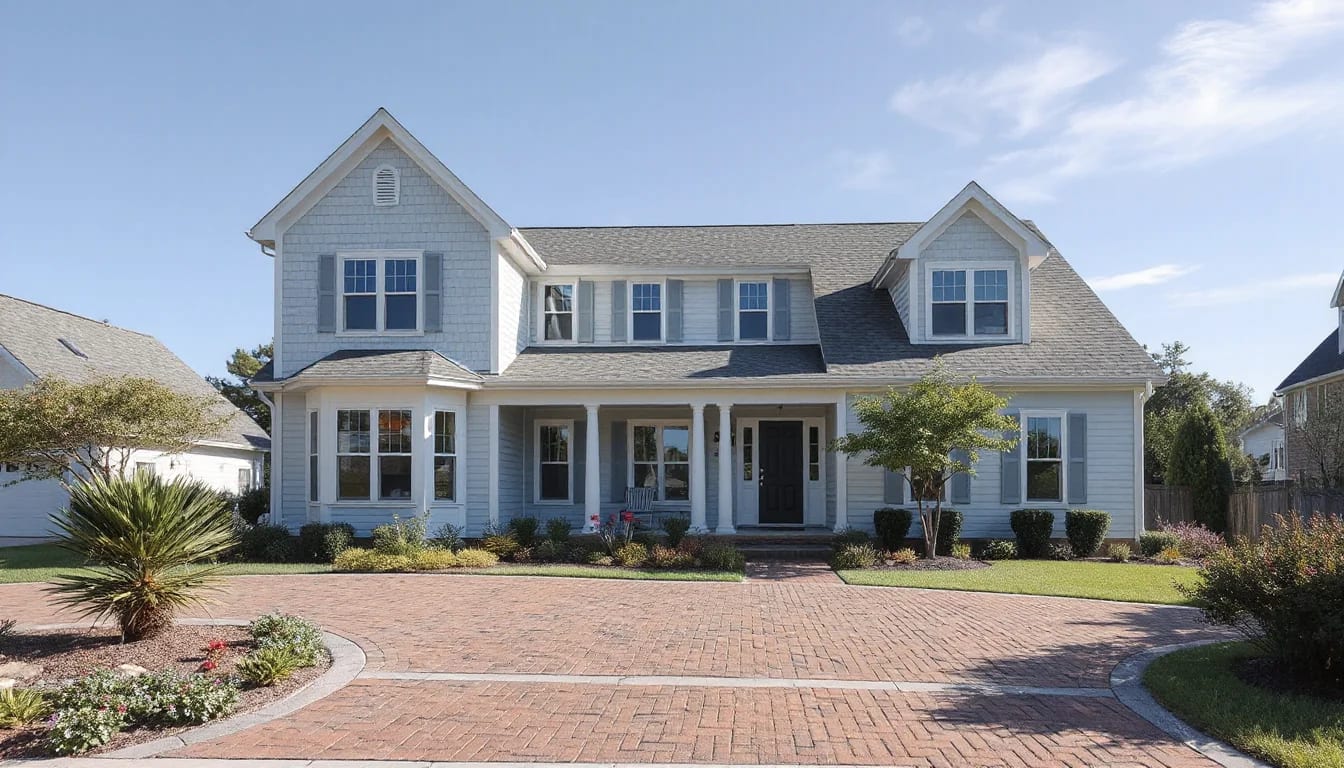
A Rockport investment property can offer more than appealing coastal scenery, but the return depends on disciplined math. Before making an offer, weigh rental income against HOA dues, windstorm and flood insurance, taxes, maintenance, vacancy periods, and the time required to operate the property. A clear, conservative estimate gives you a more useful picture than a headline rental rate ever could.
Start With Income That Is Realistic, Not Optimistic
Evaluating a rental property in Rockport begins with a straightforward question: what income can this particular home reasonably produce across a full year? The answer may vary considerably by location, property condition, bedroom count, views, amenities, furnishing level, rental rules, and whether the home is positioned for short-term, seasonal, or longer-term occupancy. A waterfront-adjacent condo and a house farther inland may attract different types of demand, carry different operating costs, and perform differently during slower periods.

Rather than assuming every available night will be booked, build a range of scenarios. A conservative model may use a lower average nightly or monthly rate and allow for unoccupied time, while a stronger scenario can reflect favorable demand and well-executed property management. Reviewing comparable active listings is useful, but completed rental performance, local management input, and the property’s actual restrictions matter even more.
For a short-term rental, gross income is usually calculated by multiplying an estimated average nightly rate by projected occupied nights. For a longer-term rental, it is commonly the expected monthly rent multiplied by the number of leased months. In both cases, do not overlook seasonal variation. Coastal markets often have periods of higher visitor activity alongside quieter stretches, and a reliable projection should account for both.
A rental estimate that includes vacancy is not pessimistic—it is the foundation of a usable cash-flow plan. Model a slower year before relying on a stronger one.
It can also help to separate the home’s marketing appeal from its income potential. Features such as covered outdoor space, storage for recreational gear, updated kitchens, parking, water access, and proximity to parks or the waterfront may affect renter interest. Still, no single feature guarantees revenue. The goal is to identify the attributes that support a competitive rental position while remaining realistic about the cost to maintain them.
Factor HOA Dues and Rental Rules Into the Purchase Decision
Condominiums, townhomes, and planned communities can offer amenities and exterior-maintenance structures that may simplify ownership, but homeowners association costs deserve close review. HOA dues may cover items such as landscaping, common-area maintenance, building insurance, exterior upkeep, water, trash service, reserves, or community amenities. What is included—and what is not—can make a significant difference in your annual expenses.
Request and review the association’s governing documents, current budget, reserve information, meeting minutes, insurance details, rental policies, and any pending special assessments. A low monthly fee is not automatically a bargain if major repairs have been deferred. Conversely, a higher fee may be easier to evaluate when it clearly supports substantial maintenance obligations or shared building systems.
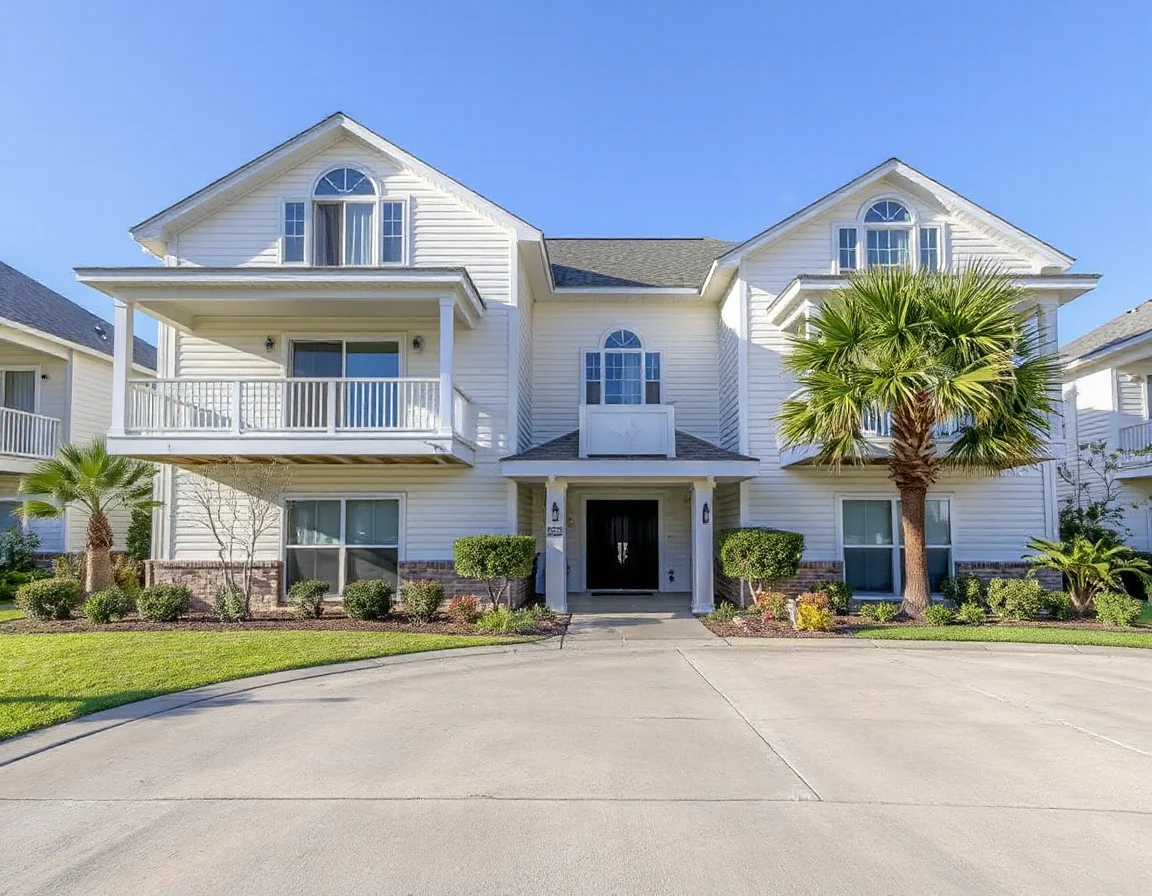
Rental restrictions are equally important. Some associations limit the number of rentals, set minimum lease periods, require registration, prohibit certain types of short-term stays, or cap the percentage of units that may be rented. These policies can change over time, so it is wise to confirm the current rules directly rather than relying on an old listing description or informal conversation.
Include HOA dues as a monthly expense in your analysis, then add a reserve for assessments or future capital needs. If a property has shared roofs, elevators, seawalls, docks, pools, or other specialized improvements, learn who maintains them and how those expenses are funded. The purchase decision should reflect the complete cost of ownership, not just the advertised monthly dues.
Association documents can affect both rental flexibility and long-term expenses. Read them before the option period ends, especially when projected income depends on a specific rental strategy.
Understand Coastal Insurance, Taxes, and Operating Costs
Insurance is one of the most important variables in a Rockport investment-property analysis. Coastal Texas properties may require coverage considerations beyond a standard homeowners policy, including windstorm and, depending on the property and flood zone, flood insurance. Premiums, deductibles, eligibility, coverage limits, mitigation features, and carrier availability can differ from one address to another.
Obtain insurance quotes early in the process whenever possible. An insurer may need details about the home’s age, roof type and condition, elevation, construction, prior claims, foundation, distance from water, and protective features. For condominium ownership, clarify which portions of the structure are covered by the association’s master policy and which portions remain the unit owner’s responsibility. Comparing the quote to the preliminary budget before finalizing a purchase can prevent an unwelcome surprise later.
Property taxes also deserve a careful line item. A prior owner’s tax bill may not match a future bill after a sale, and exemptions available to an owner-occupant may not apply to an investment property. Confirm current assessed value, tax rates, and any available public records, then estimate taxes based on your anticipated purchase price and ownership plan.
Finally, budget for management, utilities, cleaning, repairs, furnishing replacement, lawn or pool service where applicable, licensing or registration expenses, booking-platform charges, and routine turnover costs. For properties held as long-term rentals, allow for maintenance between tenancies. For short-term rentals, cleaning and replenishment costs may occur more frequently. A prudent reserve for unexpected repairs helps keep one major system replacement from overwhelming a year’s projected income.
Use Cash Flow and Return Metrics Together
Once income and expenses are estimated, calculate net operating income by subtracting operating expenses from gross rental income. Mortgage principal and interest are often reviewed separately so you can see both the property’s operating performance and its actual cash flow after financing. If the resulting cash flow is thin, test what happens if insurance rises, occupancy falls, or a repair is needed sooner than expected.
Investors commonly compare cap rate, cash-on-cash return, and total return, but each measure answers a different question. Cap rate looks at net operating income compared with purchase price before financing. Cash-on-cash return examines annual pre-tax cash flow relative to the cash invested. Total return may also consider principal reduction and potential value changes, though future appreciation should never be treated as guaranteed.
A sound analysis is less about finding one perfect number and more about understanding the range of possible outcomes. Keep your assumptions visible: projected rent, occupancy, management fees, insurance, HOA dues, maintenance reserve, taxes, and financing terms. When those figures are easy to revise, you can quickly see how a property responds to changing conditions.
Talk through a Rockport property strategy
Make the Offer With a Complete Ownership Plan
Rockport offers a distinctive setting shaped by its bayfront, marinas, outdoor recreation, arts presence, and coastal architecture. Those qualities can support interest in well-positioned properties, yet successful investment decisions still come down to due diligence. Review the property condition, verify rental and HOA rules, obtain insurance guidance, inspect major systems, and run a conservative operating budget before committing.
The strongest investment property is not necessarily the one with the highest advertised revenue estimate. It is the one whose purchase price, expenses, maintenance needs, financing, and rental approach work together under realistic assumptions. With the right preparation, you can evaluate Rockport opportunities with more confidence and make decisions based on durable numbers rather than coastal-market guesswork.