
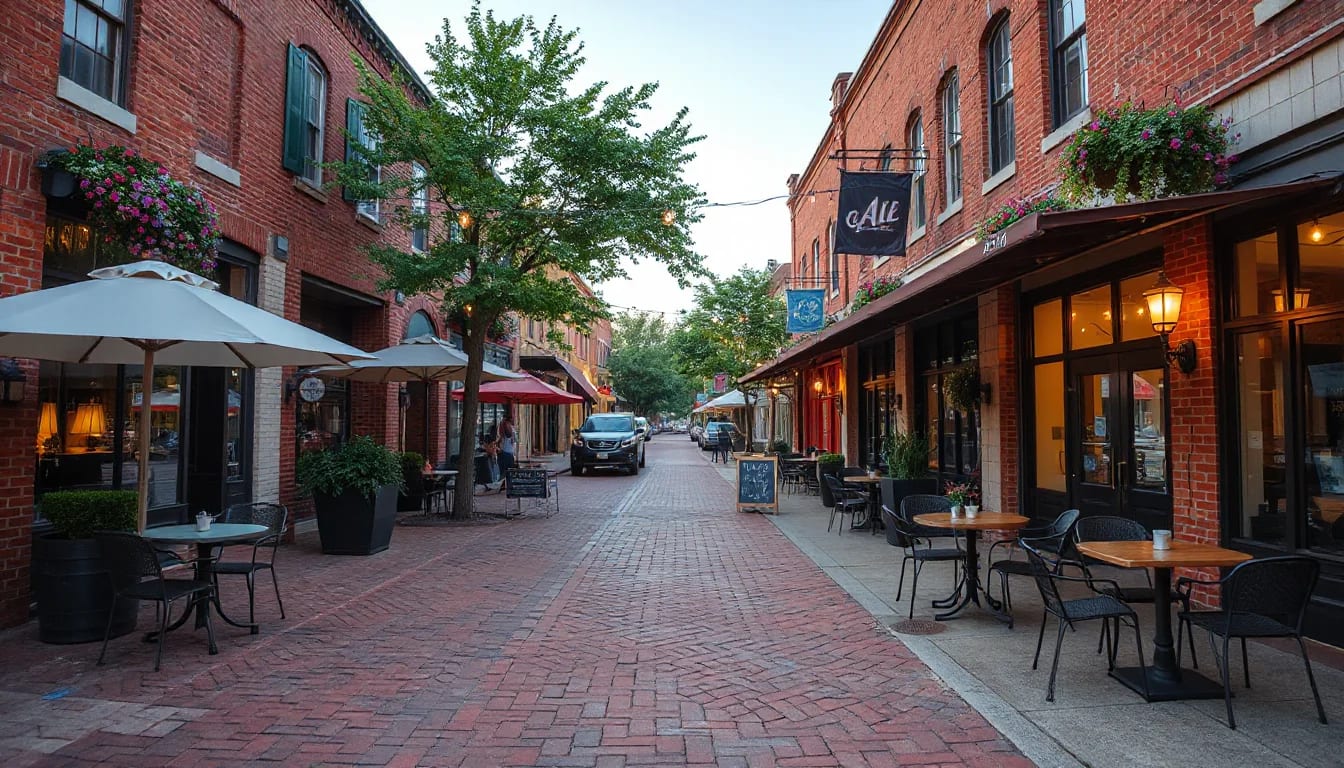
East Texas pairs a distinctly wooded landscape with practical daily access to groceries, healthcare, local services, recreation, and regional travel routes. From lake mornings to historic town squares and growing city corridors, the area offers a wide range of settings to explore when choosing a place to call home.
A Region Shaped by Pines, Water, and Connected Towns
Living in East Texas often means noticing the landscape first. Tall pines, hardwood forests, pastureland, and long stretches of two-lane road create a sense of space that feels different from Texas’s larger metro corridors. Yet the region is not defined only by quiet scenery. Cities such as Tyler, Longview, Nacogdoches, Marshall, Lufkin, Palestine, and many smaller communities provide everyday services, dining, medical facilities, cultural events, and employment centers within the broader Piney Woods landscape.
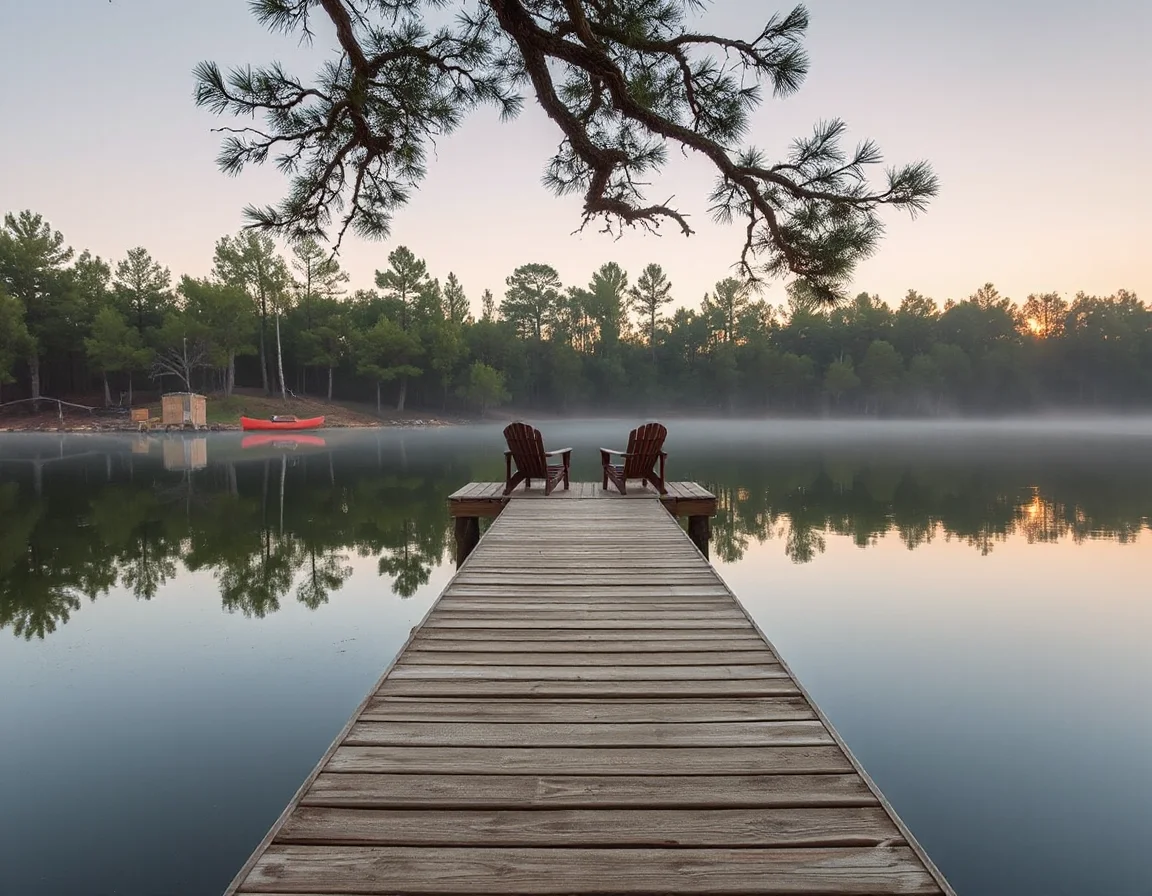
The area’s geography gives buyers plenty of variety. Some properties sit close to town centers with established streets, sidewalks, and quick access to errands. Others offer more acreage, wooded views, or a location near one of the region’s many lakes. Lake Palestine, Lake Tyler, Lake O’ the Pines, Lake Sam Rayburn, Toledo Bend Reservoir, and Cedar Creek Lake are among the water destinations that shape local recreation and property searches across different parts of East Texas.
Water access can mean very different things from one address to the next. A home may be near a public boat ramp, have a view of a cove, sit in a lake-oriented community, or include private shoreline subject to local and reservoir regulations. Buyers benefit from confirming road access, flood-zone information, utility service, dock rules, homeowners association requirements, and any restrictions affecting waterfront improvements before making assumptions based on a listing description.
In East Texas, “near the lake” can describe anything from a short drive to a visible water view. Reviewing a map, flood information, and access details early can help narrow a home search efficiently.
Seasonal outdoor time is part of the local rhythm. Fishing, boating, paddling, trail walks, birdwatching, and time around campgrounds are common ways to enjoy the region’s public lands and reservoirs. The wooded setting also brings practical considerations: property owners may plan for leaf and pine-needle cleanup, tree maintenance, drainage, septic inspections in rural areas, and internet options beyond city limits. These details are not drawbacks; they are simply useful parts of evaluating how a particular property will function day to day.
Town Squares with Everyday Purpose
East Texas main streets are more than a backdrop for weekend photos. In many communities, historic courthouses, brick buildings, public gathering spaces, libraries, museums, and locally owned businesses remain central to daily activity. Nacogdoches is known for its deep Texas history, while Marshall’s historic architecture and annual events draw attention to its downtown area. Tyler’s larger commercial corridors complement established neighborhoods and community destinations, and Longview provides another important hub for services and regional commerce.

For residents, convenience usually comes down to the routine rather than the postcard view: the route to a grocery store, the distance to a pharmacy, access to a healthcare provider, the availability of broadband, and the drive to work or appointments. Those factors vary substantially by community. A property that feels rural may still be within a manageable drive of a city center, while another may trade a longer errand run for additional land, privacy, or a more wooded setting.
Dining and local events create another layer of daily life. Across the region, people can find casual gathering places, barbecue, Tex-Mex, bakeries, coffee, live music, seasonal festivals, farmers markets, and arts programming. The most useful approach is to visit at more than one time of day. A midday drive can reveal traffic patterns and parking, while an evening visit can show how nearby roads, lighting, and activity levels feel around a specific property.
Education is also an important location factor, but the right research is highly individual. School district boundaries, campus assignments, transportation options, programs, and enrollment policies can change, so buyers should use official district sources and verify information directly. The same goes for healthcare providers, emergency services, utilities, and internet availability. A careful due-diligence list helps turn broad impressions of a town into a confident decision about a particular address.
Explore East Texas communities
What the Housing Search Can Look Like
East Texas housing inventory is often diverse in age, style, and lot size. Buyers may encounter traditional brick homes in established neighborhoods, newer construction near expanding commercial areas, cottages near town centers, ranch-style homes on larger parcels, lake-area properties, and custom homes tucked among mature trees. That range can make the search engaging, but it also means that comparable sales should be selected thoughtfully. A newer home on a compact in-town lot may not be a useful comparison for an older property with acreage, outbuildings, or water access.
Condition matters as much as style. In a humid, heavily wooded climate, it is wise to pay close attention to roofs, gutters, grading, drainage, HVAC maintenance, foundation performance, tree proximity, wood-destroying insect inspections, and the condition of any well or septic system. For acreage, questions may also include survey boundaries, easements, fencing, mineral rights, agricultural exemptions, road maintenance, and the location of utility lines. A professional inspection and clear documentation give buyers a more complete picture than curb appeal alone.
Sellers can benefit from the same regional awareness. A well-prepared listing explains what makes a property practical: recent maintenance, utility providers, road frontage, workshop features, storage, lake access arrangements, lot dimensions, and the distance to key services. Clear photographs and accurate descriptions help buyers understand whether a home’s setting aligns with their needs. When a property includes distinctive features such as a dock, acreage, a guest structure, or a private well, supporting records can make those details easier to evaluate.
Finding the Right Pace for Your Routine
The appeal of East Texas is often found in the balance between natural surroundings and usable infrastructure. One day might include an early walk under tall pines, a stop for errands in town, and an afternoon spent near the water or at a local event. Another might be entirely practical: commuting, scheduling appointments, checking a renovation estimate, or handling property maintenance. Both experiences are part of living here, and the best home search considers them together.
Before touring homes, make a short list of your nonnegotiables. Include the preferred distance to work or services, lot size, home layout, internet needs, storage requirements, flood considerations, and access to the amenities you use most. Then leave room for the features that may surprise you—a shaded porch, a quiet view, a walkable route to a town center, or a convenient connection to a favorite lake. East Texas has many distinct pockets, and a focused search can reveal the one that fits your everyday priorities.
Whether you are drawn by wooded acreage, a lively town setting, or weekends near the water, East Texas offers a broad collection of places to explore. Spend time in the communities that interest you, ask specific property questions, and let the details of your routine guide the search. The strongest choice is not defined by one feature alone, but by how a home, its setting, and its daily conveniences work together.