
The most valuable home upgrades are not always the most dramatic ones. In San Antonio, buyers often notice condition, comfort, usable outdoor space, and move-in readiness before they notice costly statement features. A focused plan can help sellers put resources toward improvements that photograph well, function well, and support a confident pricing conversation.
Start With the Upgrades Buyers See First
When preparing a San Antonio home for resale, the goal is not to redesign every room. It is to reduce the visible signs of deferred maintenance and make the property feel cared for from the moment a prospective buyer arrives. Exterior condition, entry details, natural light, and the overall sense of upkeep can shape an early impression long before anyone compares appliance brands or cabinet hardware.
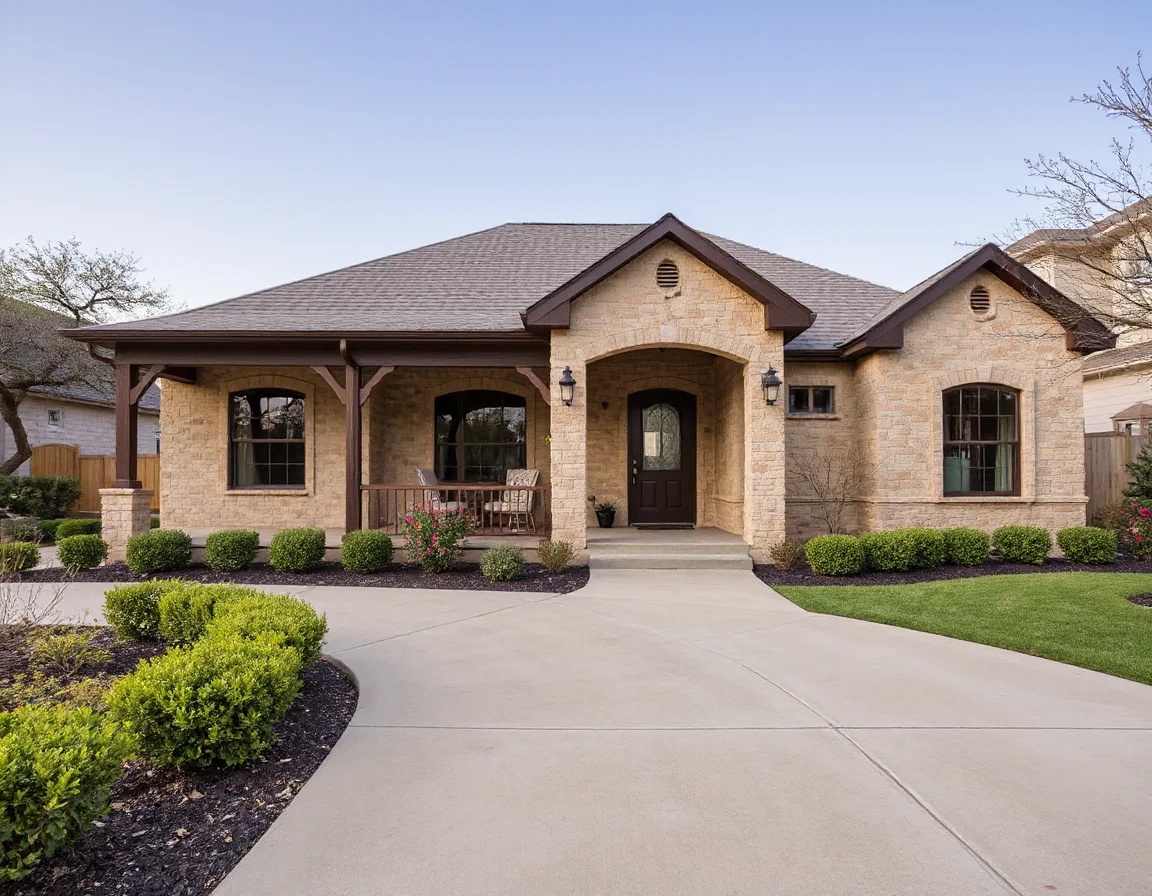
A practical first pass often includes fresh exterior paint where needed, repaired trim, a clean front door, updated house numbers, and a tidy path to the entry. San Antonio’s bright sun can make faded paint, worn caulk, and tired landscaping especially noticeable. Replacing damaged irrigation components, clearing roof debris, refreshing mulch, and pruning overgrown plantings can make a property look more polished without changing its character.
Inside, concentrate on the surfaces that appear in nearly every listing photo and showing: walls, flooring, ceilings, windows, and lighting. Neutral, well-applied paint can help rooms read clearly, while repaired drywall, clean grout, and consistent lightbulbs create a more cohesive experience. These projects may not feel glamorous, but they often help buyers focus on the home’s layout and features rather than a to-do list.
A clean, maintained presentation can influence how buyers interpret every other feature in the home. Before choosing a major remodel, address visible repairs, lighting, paint, and landscaping that may compete for attention in photos and walkthroughs.
It is also worth considering how the home will appear online. A freshly cleaned entry, uncluttered rooms, and bright windows give photography a stronger starting point. Sellers do not need to erase all personality, but reducing visual distractions makes it easier for buyers to understand room size, storage, flow, and potential uses.
Refresh Kitchens and Baths With a Measured Approach
Kitchens and bathrooms remain important decision spaces, yet a full renovation is not automatically the best route before selling. The most effective choice depends on the home’s price range, the condition of nearby competing properties, and how much work the existing rooms truly need. A dated but functional kitchen may benefit more from strategic updates than from a complete reconstruction.
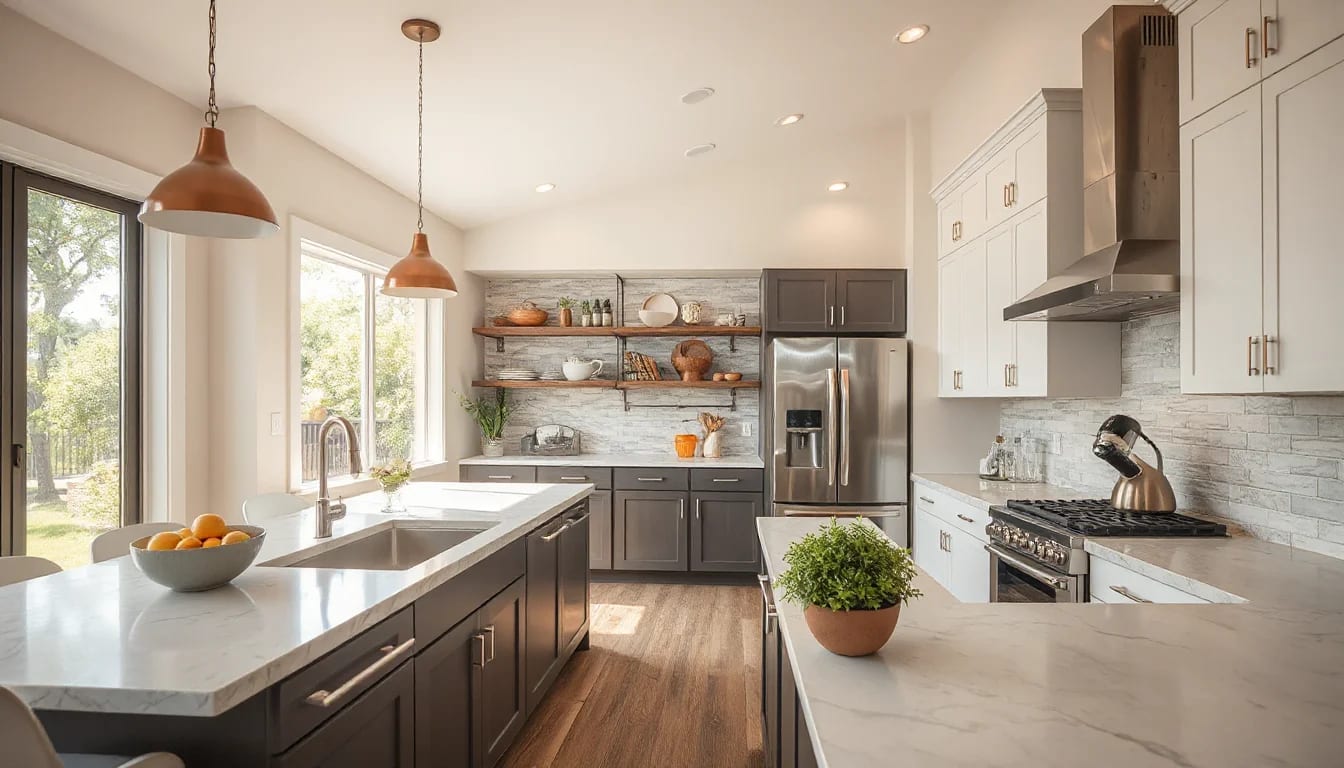
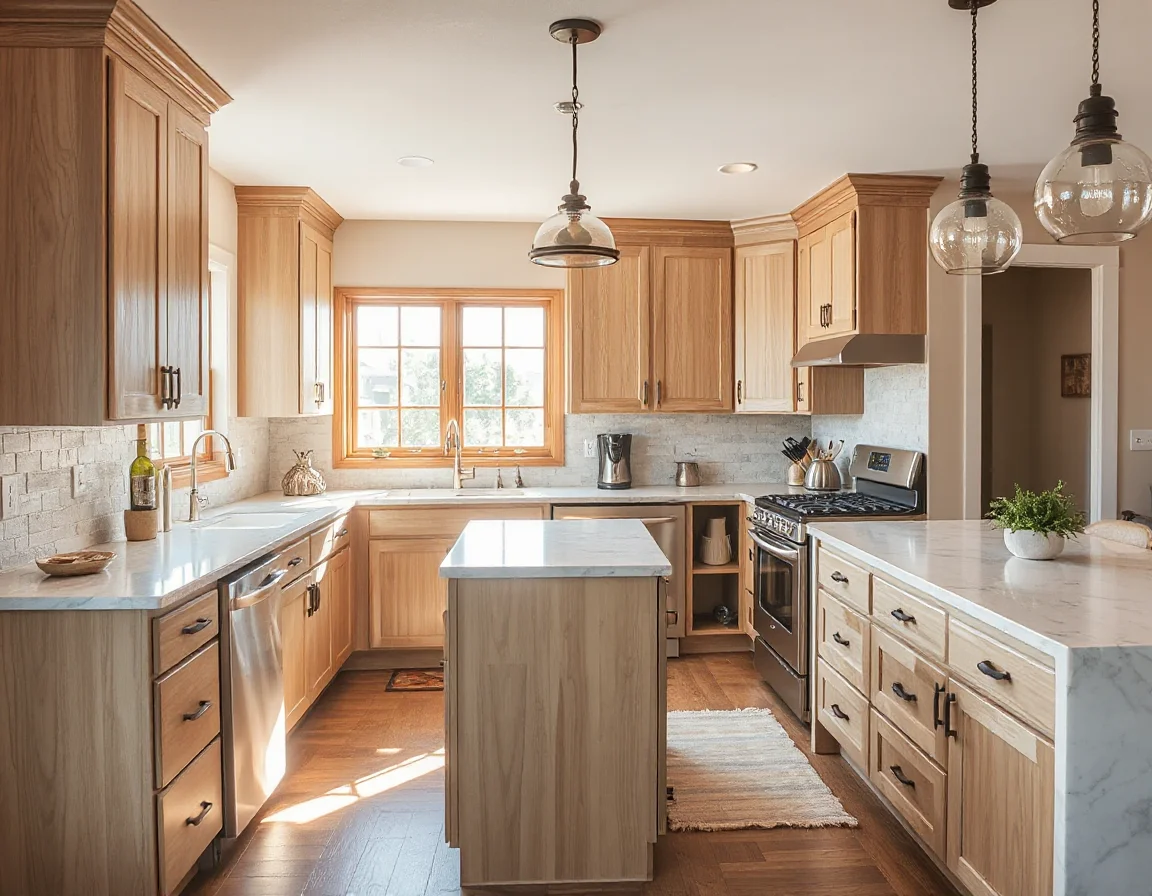
In the kitchen, sellers can consider refinishing or professionally painting cabinets, replacing worn hardware, repairing or updating a damaged countertop, and ensuring appliances are clean and operational. A new faucet, updated pendant lighting, or a coordinated backsplash can improve the room’s finish without forcing an oversized project. If cabinetry, countertops, and flooring are all in poor condition, a broader renovation may be appropriate, but it should fit the home rather than exceed the surrounding market.
Bathrooms respond well to careful maintenance, too. Recaulking a tub or shower, repairing loose tile, replacing a worn vanity light, and installing a new mirror can make a meaningful visual difference. Ventilation matters in these spaces, so address signs of moisture damage or peeling paint before listing. Buyers may not expect every bath to be brand new, but they generally appreciate fixtures and finishes that appear clean, functional, and consistently maintained.
For both rooms, avoid highly personal finishes that could narrow the appeal of the home. Durable materials, straightforward color palettes, and fixtures that match the scale of the space are usually easier to live with and easier to present. Keep receipts, warranties, and contractor information for significant work; organized documentation can be helpful during buyer questions and inspection discussions.
A targeted kitchen or bath refresh can be more strategic than a full remodel when the existing layout works. Match the scope of the update to the home’s condition, likely competition, and anticipated list-price range.
One useful question is whether the upgrade removes an objection. A leaking faucet, stained grout, broken drawer, or nonworking light can make buyers wonder what else has been postponed. Correcting these smaller issues is often a direct way to strengthen the impression of overall care.
Prioritize Comfort, Efficiency, and Texas-Ready Maintenance
San Antonio’s long warm seasons make comfort systems part of a home’s value conversation. An aging HVAC unit does not always need replacement before a sale, but a recent service visit, clean filters, accessible records, and resolution of known performance issues can be worthwhile. If a system has been replaced, repaired, or regularly maintained, having that information available offers useful context to buyers.
Energy-minded improvements can also be appealing when they are practical and well documented. Weatherstripping, attic insulation, ceiling fans, efficient lighting, and properly sealed windows and doors may support comfort while reducing drafts and heat gain. These updates are most effective when sellers describe them accurately rather than making broad promises about utility savings, which can vary by household habits and weather.
Water management deserves attention as well. Gutters, grading, drainage paths, exterior caulking, and roof condition can all affect how a property performs during heavy rain. A pre-listing review of these details may help identify repairs that are easier to complete before a buyer’s inspection. For homes with pools, outdoor kitchens, or larger patios, confirm that equipment is clean, operational, and ready to demonstrate.
Outdoor living areas can be a meaningful asset in this region. A swept patio, maintained fence, functioning gate, and shaded seating area can help buyers imagine using the space throughout much of the year. Focus on durability and maintenance rather than elaborate additions that may not return their full cost at resale.
Use Market Context Before Committing to a Big Project
The best upgrade list is always property-specific. A refreshed home in one part of San Antonio may compete against recently renovated listings, while another may stand out simply by offering clean finishes, dependable systems, and a well-prepared exterior. Before scheduling major work, compare the home’s condition with active, pending, and recently sold properties that share similar location, size, age, and features.
A local real estate professional can help distinguish improvements that support marketability from projects that may be difficult to recover in the eventual sale price. That conversation should include timing, budget, contractor availability, and whether an improvement is likely to affect buyer perception, inspection results, or listing photography. In some cases, a seller may be better served by pricing with condition in mind rather than completing an extensive remodel.
Keep the plan simple: repair what is broken, clean what is dirty, refresh what is visibly worn, and invest in larger upgrades only when market context supports them. This approach helps sellers spend with purpose while preserving the home’s authentic style. A thoughtful preparation strategy can make the listing feel more complete, easier to understand, and ready for its next chapter.