
Gulf Coast living is about more than a beach day: it is the rhythm of salt air, practical errands close to home, local meals, and outdoor spaces that can shape an ordinary week. Whether you are comparing coastal communities or narrowing a home search, this guide highlights the everyday details worth considering alongside the view.
A Coastline That Fits Into Everyday Life
The Texas Gulf Coast offers a setting where water, open sky, and coastal breezes are part of the landscape rather than a once-a-year getaway. From barrier-island beaches to bayside overlooks and working marinas, the region offers many ways to spend time outdoors. The experience changes from one community to the next, which is why a thoughtful home search looks beyond a map pin and considers the routines that matter most.

Beach access can mean very different things depending on location. Some areas offer broad public shorelines with parking and nearby facilities, while others provide smaller access points, bayfront trails, fishing piers, or protected natural areas. Before committing to a property, it helps to visit at different times of day and in different seasons. Notice travel time, available parking, wind exposure, road conditions, and how a route feels during a typical weekday rather than only on a holiday weekend.
For many residents, the coast is less about making a grand plan and more about having options nearby. A morning walk near the water, an afternoon spent casting from a dock, or a sunset drive along the shoreline can fit naturally into the calendar. Coastal weather, tides, and seasonal conditions influence those routines, so local knowledge can be especially useful when comparing neighborhoods and property types.
A beautiful water view is only one part of coastal ownership. Ask about elevation, flood history, windstorm coverage, drainage, and maintenance needs early in the decision process so the full picture is clear.
Waterfront and near-water properties also come with practical considerations. Buyers may encounter homeowners association guidelines, bulkhead upkeep, boat-storage questions, local permitting, or insurance requirements that differ from inland markets. None of these details should take away from the appeal of living near the coast; they simply deserve the same careful attention as square footage, roof age, and utility costs.
Dining, Gathering Places, and Local Flavor
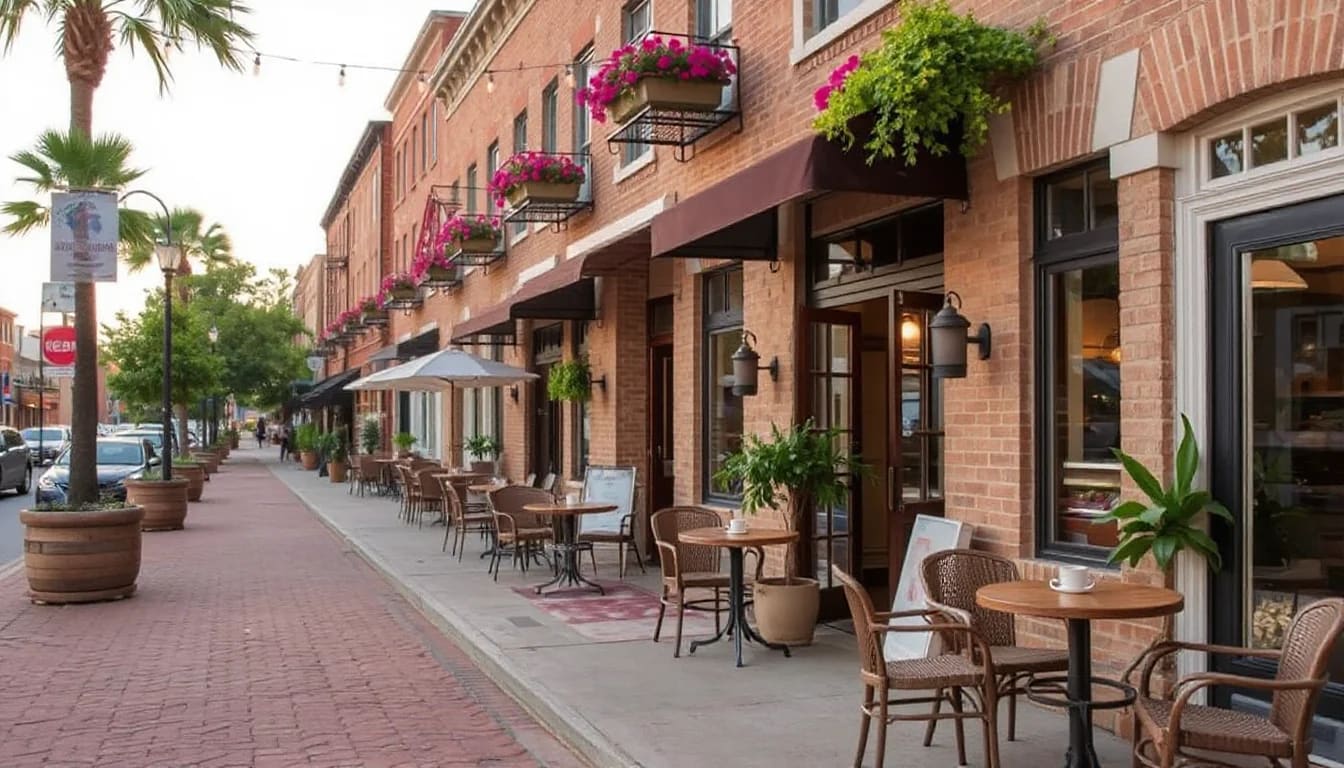
One of the pleasures of exploring Gulf Coast communities is finding the places that become part of a regular routine. Coastal dining ranges from casual seafood meals and outdoor patios to bakeries, barbecue counters, international menus, and long-running neighborhood favorites. Each town has its own pace, and the best way to understand it is to spend time there beyond a single meal or a quick drive through.
Look for the everyday conveniences surrounding those destinations as well. Grocery options, pharmacies, health services, hardware stores, fitness facilities, libraries, and shipping services can make a meaningful difference in how a location functions from week to week. A home that feels tucked away may still be within an easy drive of these necessities, while a more central address may offer the benefit of shorter errands and more connected routes.

Community calendars often add another layer to the experience. Art walks, live music, fishing tournaments, seasonal festivals, farmers markets, and waterfront events may be available depending on the town and time of year. These activities can create a lively atmosphere, but availability and schedules vary. Checking official community calendars is a smart way to learn what is happening while avoiding assumptions based on one busy weekend.
Dining and recreation can also help define how different parts of the coast feel. Some locations have a resort-like seasonal energy, while others retain a quieter, working-waterfront character. Neither is inherently better; the right fit depends on the access, pace, services, and property features that align with your own priorities.
Getting Around and Planning for the Practical Details
Daily convenience is often the deciding factor that turns a favorite coastal destination into a viable home base. When touring properties, take time to map essential drives: groceries, medical care, employment centers, airports, schools, recreation, and preferred routes inland. Consider bridge crossings, seasonal traffic, construction, and the distance between your home and the services you expect to use most often.
It is also useful to compare home styles through the lens of maintenance. Elevated construction, coastal landscaping, metal roofing, hurricane shutters, screened porches, outdoor showers, and covered parking are all features commonly seen in coastal settings. Their value is not only visual. Depending on the property, they can support airflow, storage, weather preparation, and easier enjoyment of the outdoors.
A detailed property review should include utility providers, internet availability, septic or sewer service, deed restrictions, short-term rental rules where applicable, and any future development plans nearby. These questions can sound technical, but they help make sure the lifestyle you imagine is supported by the property itself. The strongest buying decisions balance emotional connection with clear due diligence.
Finding a Home With Room for Your Coastal Routine
The Gulf Coast includes a broad range of homes, from compact beach cottages and townhomes to bayfront residences, inland single-family homes, and properties with space for boats, trailers, or outdoor equipment. Inventory, pricing, and condition can vary significantly by community, distance from the water, lot size, and flood-zone designation. A clear list of must-haves and nice-to-haves can make the search more efficient.
Start by deciding what “coastal living” means to you. It may be a water view, a short drive to the shore, room for kayaks, access to a marina, a walkable setting, or simply a home in a community where the coast is close enough to enjoy often. Prioritize the features that affect your daily life, then remain open to locations that may offer a better overall combination of condition, convenience, and long-term value.
Viewing homes in person remains especially important in coastal markets. Photos can show finishes and views, but they cannot fully convey road noise, prevailing breezes, drainage patterns, nearby activity, or the feeling of arriving at a property at sunset. Give yourself time to explore the surrounding blocks and drive the routes you would use most often.
Make the Coast Part of the Plan
Living near the Gulf can offer a distinctive blend of recreation, local flavor, and practical day-to-day comfort. The goal is not simply to find a home close to the water, but to find a property and community that work well for the way you want to live. By pairing beach visits and local dining with careful research into services, access, insurance, and property condition, you can approach a Gulf Coast move with confidence and clarity.
Take time to explore, ask detailed questions, and notice the small details that make a place feel usable long after the first visit. The best coastal home search is grounded in both the scenery that draws you in and the everyday conveniences that help a house feel like home.