
South Texas weather asks a lot of every home exterior: intense sun, long stretches of heat, humid air, wind-driven rain, and occasional severe storms. Thoughtful upgrades can help manage moisture, reduce solar exposure, and make routine maintenance more predictable while supporting long-term curb appeal.
Start With the Roof, Drainage, and the Building Envelope
Exterior upgrades work best when they are treated as a connected system rather than a series of cosmetic projects. In South Texas, the roof receives strong ultraviolet exposure for much of the year, while humidity and heavy rain can reveal weak flashing, clogged gutters, aging sealant, or drainage routes that direct water toward the foundation. Before choosing new paint colors or landscaping, it is useful to look at how water moves across the property and how the home sheds heat.
A roof inspection is a practical starting point. Look for lifted or missing shingles, worn pipe boots, cracked flashing around vents, loose fasteners on metal roofing, and discoloration near eaves. Light-colored or reflective roofing materials may help reduce surface heat absorption, but the right material depends on roof pitch, local requirements, existing structure, budget, and installation details. A qualified roofing professional can help identify whether repair, coating, ventilation improvements, or replacement makes the most sense.
Gutters and downspouts deserve equal attention. They should be clear of debris, securely attached, and positioned to move water away from the home. Downspout extensions, splash blocks, properly graded soil, and carefully placed drainage swales can help limit standing water near the foundation. During a rainstorm, a brief walk around the exterior can reveal where runoff pools, overflows, or splashes repeatedly against siding and trim.
A simple rain-day observation can be more revealing than a dry-weather inspection: note where water collects, where gutters overflow, and which walls receive the most wind-driven rain.
Humidity management also depends on sealing. Exterior caulk around windows, doors, penetrations, trim, and utility lines can deteriorate under heat and movement. Replacing failed sealant helps reduce pathways for moisture and air infiltration. This is a modest project compared with major renovations, yet it can protect adjacent materials and improve the performance of larger upgrades such as replacement windows or new siding.
Choose Materials That Hold Up to Sun and Moisture
South Texas exteriors benefit from materials selected for durability, maintenance needs, and local weather exposure. No material is completely maintenance-free, but a well-matched product can make upkeep easier over time. When comparing options, ask about warranty terms, recommended cleaning, fading resistance, expansion and contraction, compatibility with existing construction, and how the product performs in high-heat environments.
Fiber-cement siding, masonry, stucco systems, and properly maintained engineered wood products are common considerations, each with distinct installation and care requirements. The quality of the installation matters as much as the surface material itself. Flashing, drainage planes, expansion joints, fastener selection, and paint systems all affect how an exterior handles moisture. When planning a sizable project, written scopes of work and detailed product specifications can make comparisons between contractors much clearer.
Paint is another protective layer, not just a finishing touch. Exterior-grade coatings formulated for sun exposure and humidity can help preserve siding and trim when applied over clean, properly prepared surfaces. Lighter exterior colors may absorb less heat than very dark shades, although design preference, neighborhood guidelines, and the condition of underlying materials should all be considered. Watch for peeling, chalking, blistering, or cracked paint—these can signal that moisture, surface preparation, or aging coatings need attention.
Window and door upgrades can also support comfort and weather resistance. Features such as low-emissivity glass, well-fitted weatherstripping, quality flashing, and insulated frames can help reduce unwanted heat gain and air leakage. For homes exposed to severe weather, homeowners may also want to discuss impact-rated products, storm protection options, and local code considerations with a licensed professional. The best choice is often the one that balances performance, appearance, maintenance, and the home’s existing architectural style.
For exterior projects, spending time on preparation—drainage, flashing, sealant, and surface repair—often protects the investment more effectively than rushing to the visible finish materials.
Create Shade Without Blocking Essential Airflow
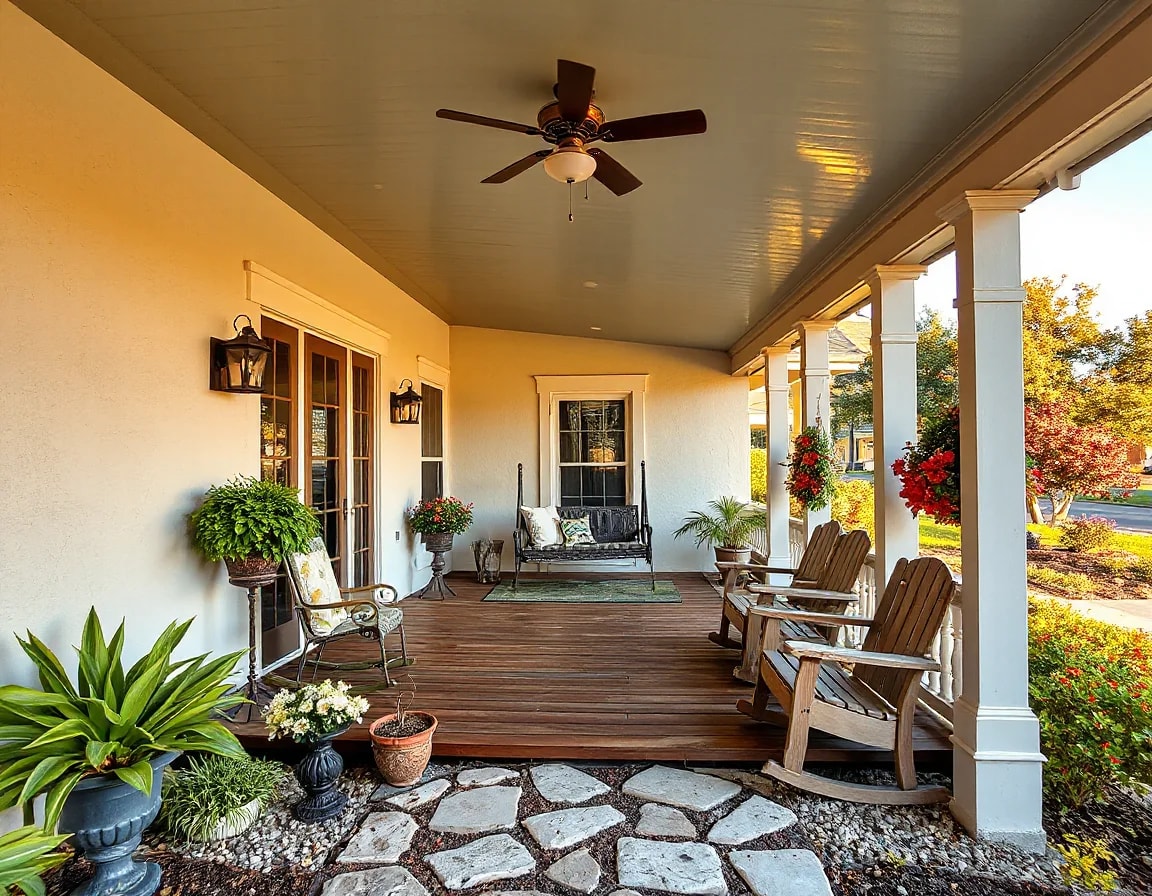
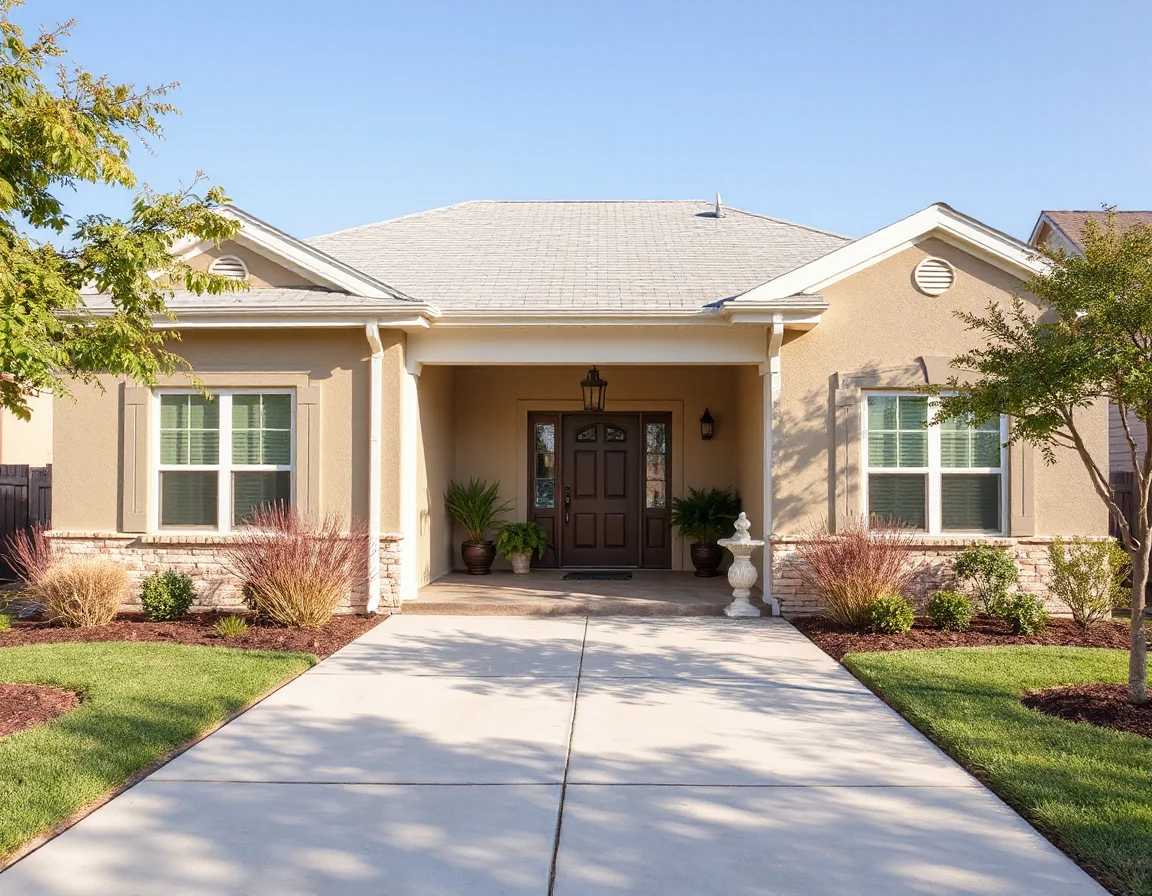
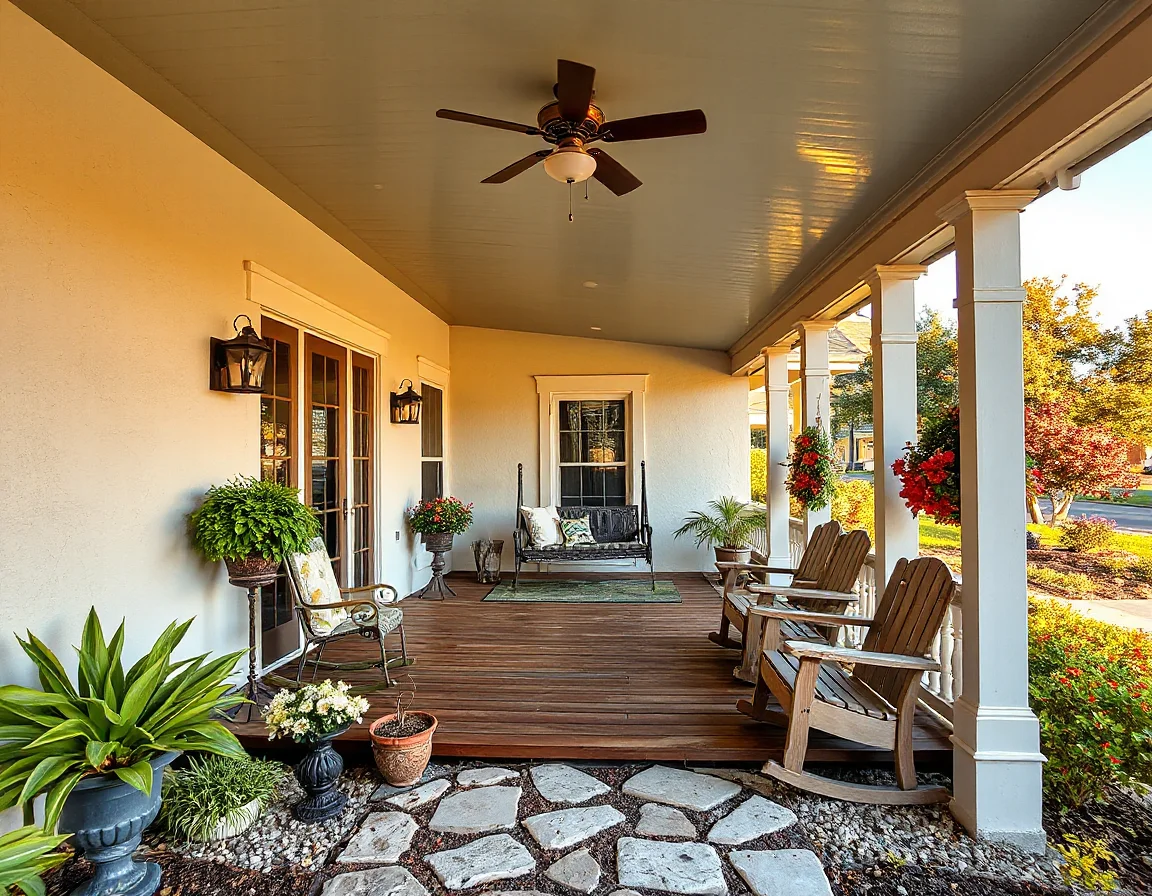
Shade is one of the most visible ways to address South Texas heat. Covered porches, pergolas, awnings, shutters designed for local conditions, and strategically placed exterior screens can reduce direct sun on windows and outdoor living areas. A covered entry can also protect a front door, hardware, and nearby trim from repeated exposure to sun and rain. For any attached structure, confirm permitting, drainage, attachment methods, and wind considerations before construction begins.
Landscaping can contribute to a cooler, more resilient exterior as well. Native or regionally appropriate plants generally offer a practical starting point because they are selected for local climate conditions once established. Mulch can help moderate soil temperature and reduce splash-back onto lower walls, while gravel, stone, and hardscape should be planned to avoid channeling water toward the home. Keep planting beds and irrigation components from creating persistent moisture against siding, fencing, or the foundation.
Trees can offer valuable shade, but placement and maintenance matter. Branches should be monitored so they do not scrape roofing, obstruct gutters, or hang too close to power lines. Healthy clearance around the roofline improves access for inspections and allows wet surfaces to dry after storms. A local arborist can advise on species, spacing, pruning, and long-term growth patterns for a particular lot.
Plan Upgrades in a Smart Order
For many homeowners, the most efficient approach is to prioritize projects that prevent water intrusion and material damage before moving to appearance-focused updates. Begin with roof condition, drainage, exterior sealants, and any visible deterioration. Next, consider insulation, ventilation, windows, doors, shade structures, paint, and landscape improvements. This sequence helps avoid installing new finishes before underlying issues are addressed.
Keep records of inspections, contractor proposals, material warranties, paint colors, and completed work. Organized documentation can be useful for seasonal maintenance, future repairs, and conversations about property value. It also gives potential buyers a clearer picture of how the home has been maintained when it is time to sell.
South Texas homes do not need to look identical to perform well in the climate. A practical exterior plan can preserve the character of a ranch-style property, a coastal home, a newer build, or an established urban residence while helping it handle heat, humidity, and changing weather. By focusing on water management, durable materials, shade, and regular inspections, homeowners can make measured improvements that support both daily comfort and long-term care.