
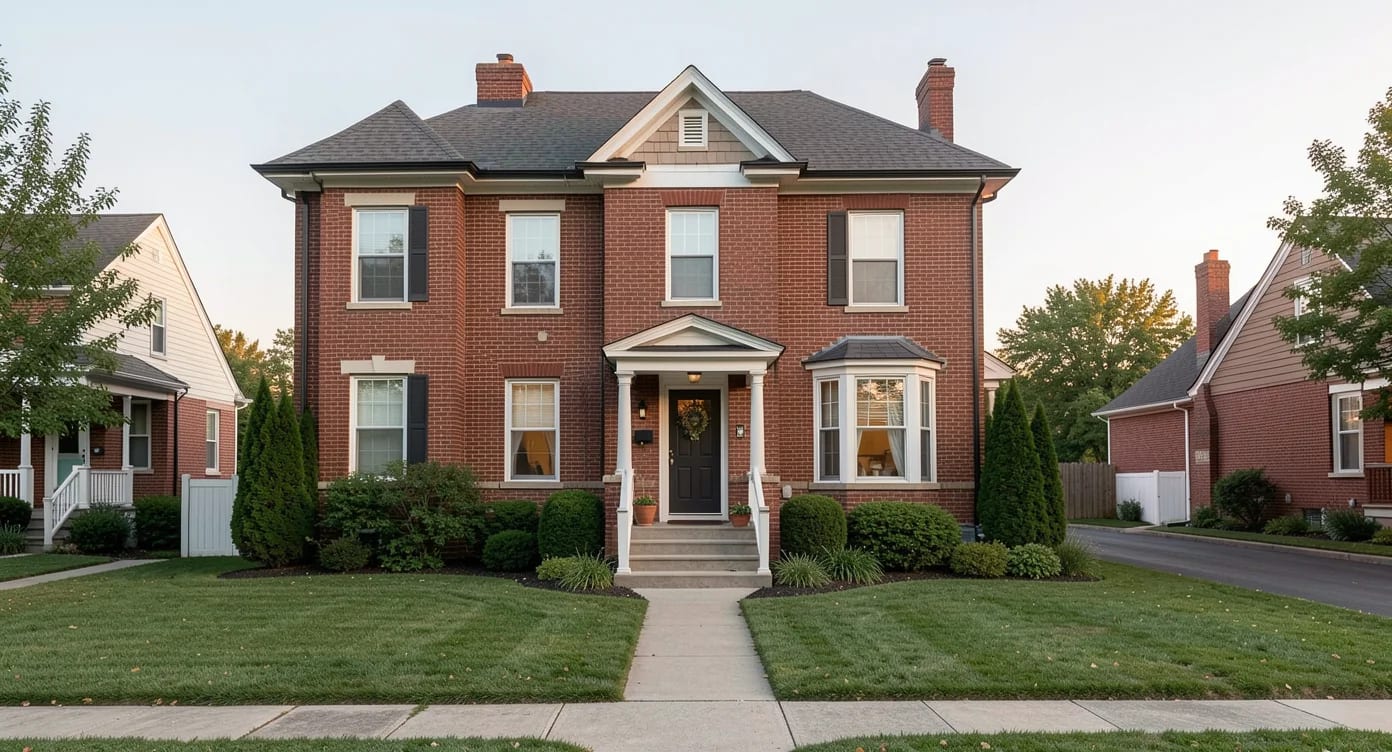
A promising rental price is only the beginning of the story. Vacancy, property taxes, insurance, repairs, and financing can turn an attractive listing into a very different investment once the bills arrive. Here’s how to build a practical cash-flow estimate before buying a Panhandle rental property.
Start With Income You Can Support
Rental property ROI begins with a realistic estimate of what a home can earn, not simply what you hope to charge. In the Texas Panhandle, compare similar available and recently leased properties in the same area, paying attention to bedroom count, condition, parking, appliances, and lease terms. A house with an updated kitchen may command a different rent than a comparable property that needs work.
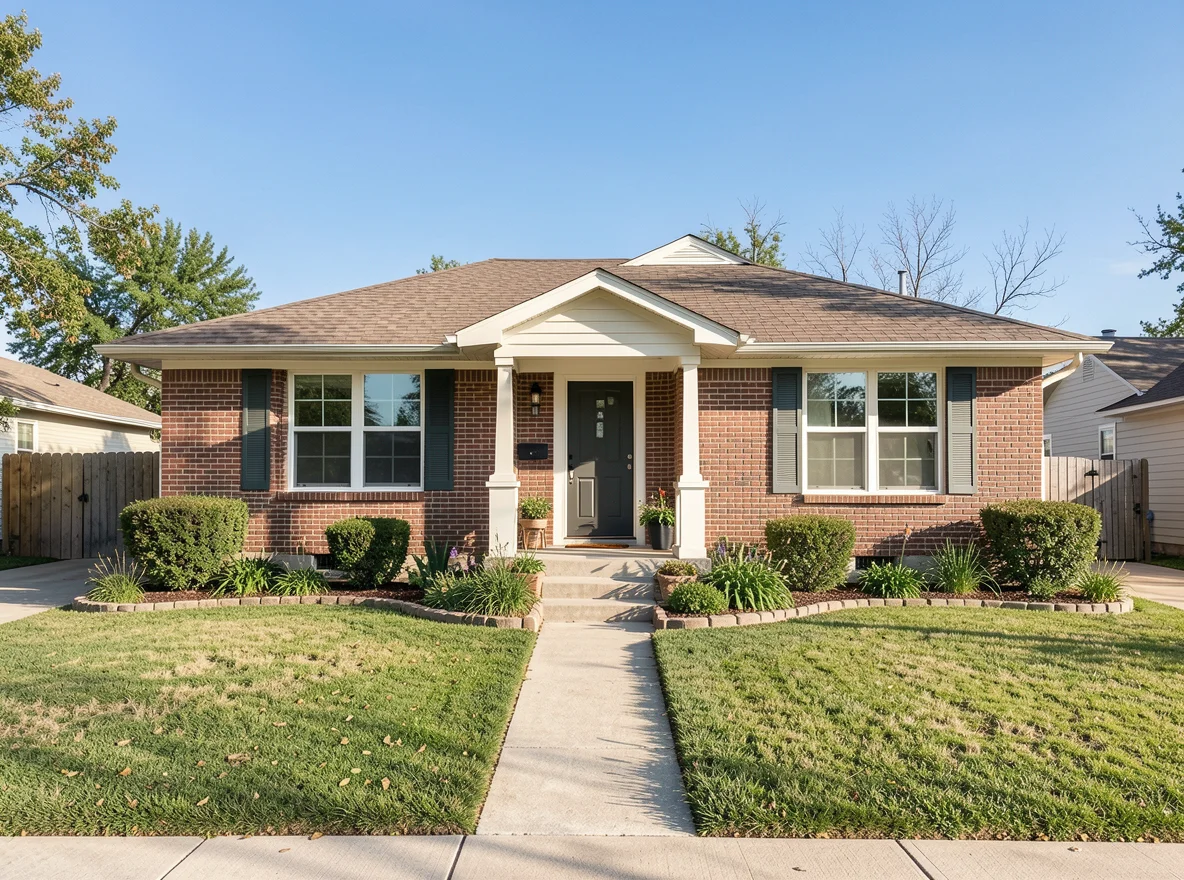
Look beyond the advertised monthly rent. Ask whether utilities, lawn care, or appliances are included, and consider whether the property will need improvements before it can compete with other rentals. A higher asking rent does not automatically mean better cash flow if it requires substantial upgrades or leaves the home vacant longer.
Location matters in practical ways, too. Consider access to employers, shopping, schools, road connections, and recreation, then compare those features with nearby rental options. Verify school assignments and other location details independently if they matter to your purchase decision. Demand and rents can vary considerably from one property and community to another.
Compare rental listings on the same terms: a rent that includes utilities is not directly equivalent to one where the tenant pays them separately.
For a property already leased, request the current lease, payment history, deposit information, and records of any concessions. Existing rent can be useful evidence, but it is not a guarantee of future income. Confirm when the lease ends and what obligations transfer with the sale.
Make Room for Vacancy and Turnover
Even a well-maintained rental may spend time without a paying tenant. A vacancy allowance accounts for that possibility, while turnover costs cover work needed between leases. Cleaning, advertising, rekeying, minor repairs, and management leasing fees can arrive together, just when rent is not coming in.
Use local rental comparisons and the property’s actual history, if available, to choose an assumption. Then test a less favorable scenario as well. A property that works only when every month is paid in full leaves little room for delays, unexpected move-outs, or a longer search for the next tenant.
A simple way to estimate the gap
Multiply the expected monthly rent by 12 to find gross potential annual rent. Then subtract a vacancy allowance. For example, at an illustrative $1,500 per month, gross potential rent is $18,000 a year. A 5% vacancy allowance is $900, leaving $17,100 before operating expenses. These are example figures, not a forecast of Panhandle rents or vacancy rates.
Budget for Repairs Before They Happen
A property’s condition affects more than the price you negotiate. It also shapes the cash you may need after closing. An inspection can help identify immediate concerns, while a review of the ages and maintenance history of major systems can inform a longer-term reserve plan.
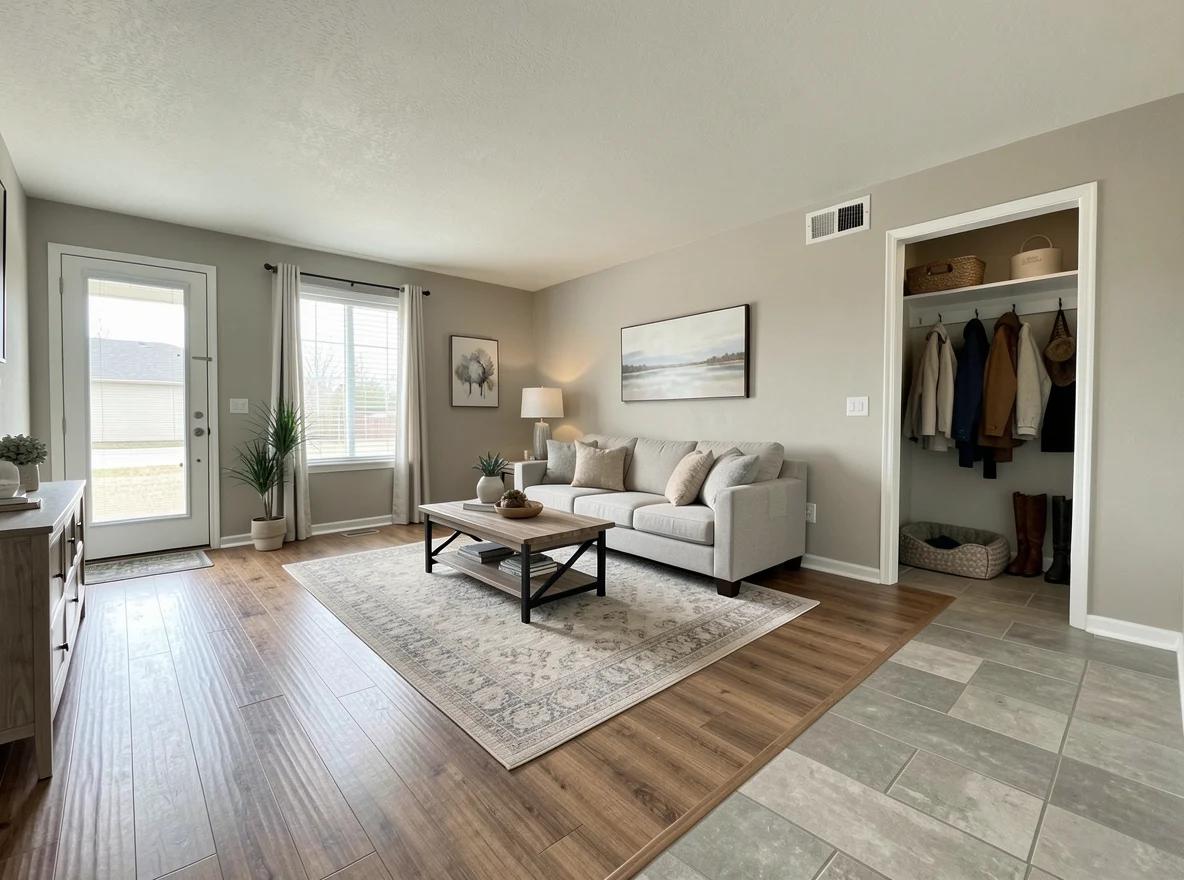
Separate routine repairs from larger capital expenses. Fixing a faucet or servicing a heating system belongs in an operating budget; replacing a roof or major HVAC equipment may require a separate capital reserve. Get contractor estimates when possible, and consider local exposure to wind, hail, and freezing weather when assessing the roof, exterior, plumbing, and insurance coverage.
Durable materials can make maintenance easier, but improvements should be weighed against their cost. Before replacing flooring or renovating a kitchen, compare the expected expense with local rental alternatives and the income the improvement might reasonably support. Keep copies of inspection reports, warranties, and repair invoices so your assumptions are easier to revisit.
A repair allowance and a capital reserve serve different purposes. Including both helps prevent a major replacement from consuming cash you counted as profit.
Also ask for an insurance quote tailored to a rental property rather than assuming an owner-occupied policy will apply. Coverage, deductibles, exclusions, and premiums vary, so review the details with an insurance professional before relying on an estimate.
Calculate Cash Flow and Cash-on-Cash Return
Once you have an income estimate, list annual operating expenses: property taxes, insurance, routine maintenance, management, leasing costs, utilities paid by the owner, and any applicable association fees. Subtract those expenses from income after vacancy to calculate net operating income, or NOI. NOI is calculated before mortgage payments and capital expenditures.
Continue the earlier example: $17,100 in income after vacancy minus $6,500 in annual operating expenses equals $10,600 in NOI. If annual mortgage principal and interest total $8,400, the property has $2,200 in cash flow before capital reserves and income taxes. Set aside another $1,200 for future major replacements, and the estimated cash remaining is $1,000 for the year.
If the buyer invested $40,000 in total cash, including the down payment and eligible purchase costs, that $1,000 represents an illustrative 2.5% cash-on-cash return. Actual returns depend on the full amount invested, financing, expenses, and income. This example excludes income taxes, appreciation, loan paydown, and sale proceeds; it is not a projection or a comprehensive measure of investment performance.
Test the assumptions
Run the calculation again with higher insurance costs, a longer vacancy, or an unexpected repair. Ask a lender for a property-specific financing estimate and verify taxes with the appropriate taxing authorities; the seller’s current bill may not reflect what you will pay after purchase. An accountant or financial adviser can help you evaluate tax treatment and how the investment fits your circumstances.
Complete Your Due Diligence
Before committing, review the lease, inspection findings, title information, insurance quote, utility arrangements, and any association rules or local requirements that could affect leasing. Confirm whether permits or other approvals are needed for your intended use. Apply rental criteria consistently and follow fair housing and applicable landlord-tenant laws.
Sellers can help buyers evaluate a property by gathering leases, maintenance records, utility information, and documentation of recent improvements. Buyers can use those records alongside independent estimates rather than treating past performance as a promise of future results.
Discuss your Panhandle property search
A sound rental decision is less about finding a perfect spreadsheet than understanding what happens when the numbers change. Compare properties carefully, keep a reserve, and give yourself time to verify the details before deciding whether a purchase supports your goals.