

Rockport’s appeal unfolds along Aransas Bay and through a compact commercial and arts district, with public waterfront destinations close to everyday amenities. Explore what distinguishes the area, then learn which access, insurance, and property details to investigate before buying or selling.
A Coastal Community Shaped by the Bay
In Rockport, the water is more than a view on the horizon. Aransas Bay influences the scenery, recreation, and character of this Texas coastal community, while streets near the center of town connect galleries, dining, and local history. Getting to know the area means looking beyond a listing’s address and considering how each location connects to the places you want to use.
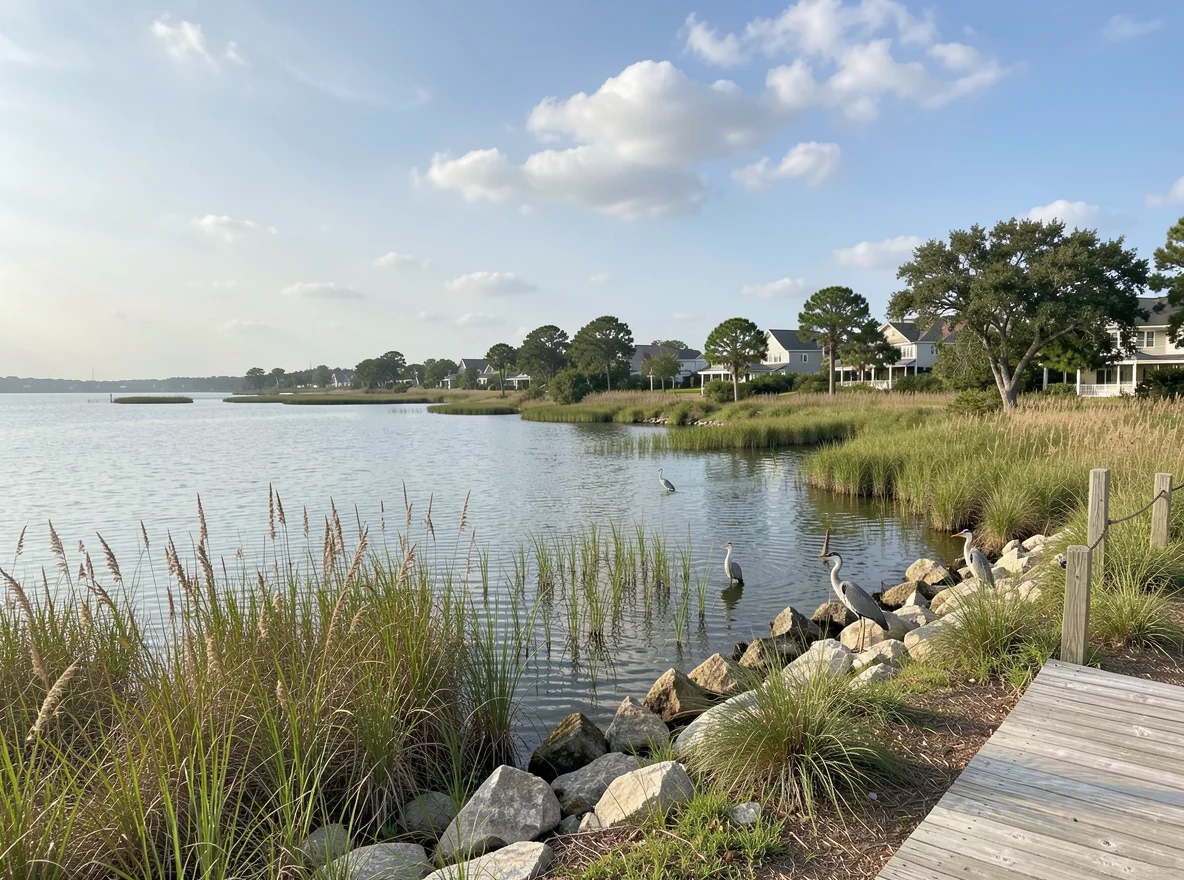
Rockport Beach is one of the area’s most recognizable public waterfront destinations. Its bayfront setting offers a place to enjoy the shoreline and water views without owning property directly on the water. Check current access information and any applicable fees before visiting, and take time to see how the route from a prospective home fits into your plans.
Boating, fishing, and birdwatching are also part of the broader coastal landscape. Access points and facilities vary, so a home advertised as “near the water” deserves a closer look: proximity on a map does not necessarily mean there is a public launch, a dock, or direct access from the property. If a particular activity matters to you, visit the relevant facility and confirm its current rules and availability.
Rockport’s history is closely tied to its coastal location and maritime activity. The Texas Maritime Museum offers a way to explore that connection, while the working waterfront and local arts scene contribute different perspectives on the community today. Together, these places help explain why the area’s character extends well beyond its shoreline.
A water view, public waterfront access, and private waterfront rights are three different features. Verify each one separately when comparing properties.
Around the Arts District and Town Center
The area around Austin Street brings together galleries, local businesses, and places to eat, creating a different rhythm from the open shoreline. A visit during the day and another in the evening can help you understand the surroundings, parking, and travel routes that matter to you.
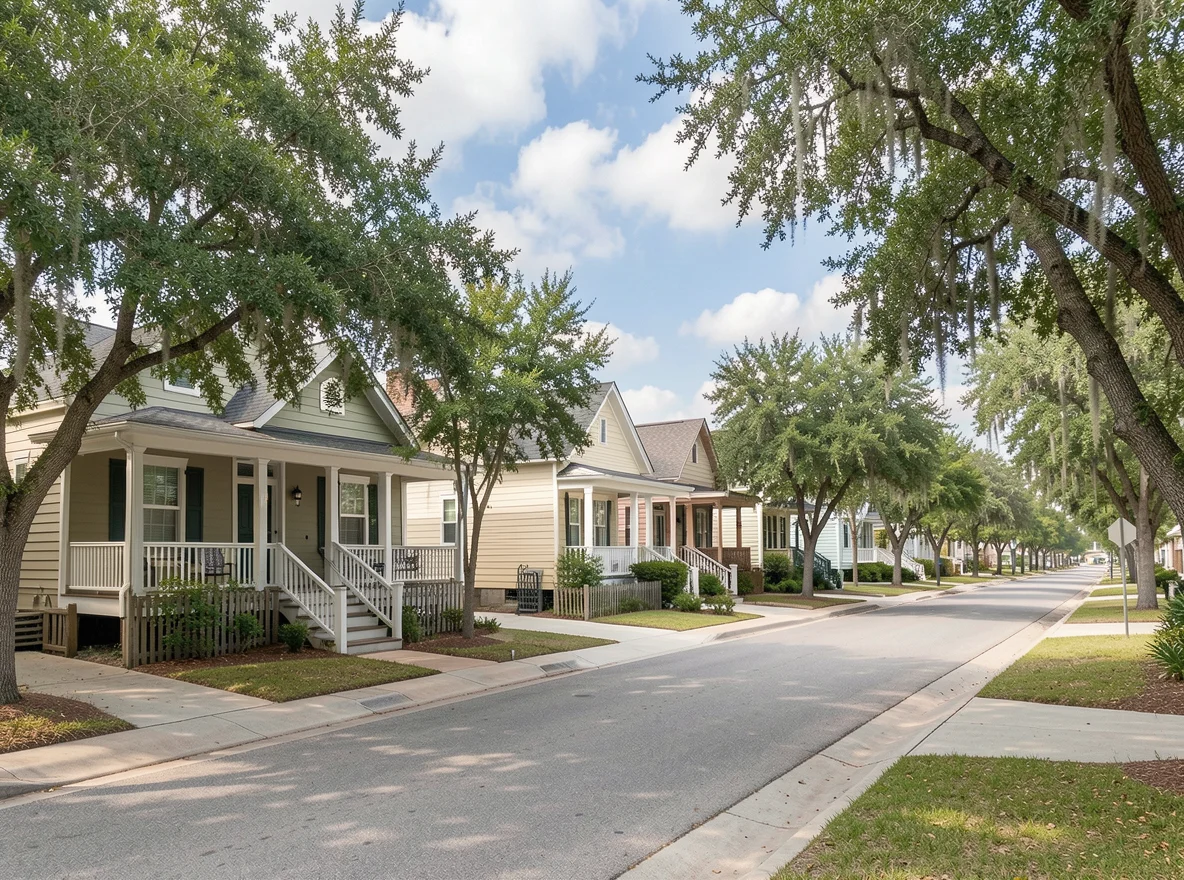
Art is a visible part of local life, and the Rockport Center for the Arts adds exhibitions and programming to the community’s cultural offerings. Nearby, dining options reflect the area’s coastal setting alongside other choices. Hours and offerings can change, so it is worth checking current schedules when planning a visit or researching a move.
Walkability is best assessed from a specific address rather than assumed for the whole city. Sidewalk connections, road crossings, weather, and the distance to a destination can make a short trip on a map feel different in practice. Try the routes you expect to use, whether that means walking to an event, driving to an appointment, or heading toward the waterfront.
For everyday needs, consider the location of grocery shopping, medical services, and other regular stops alongside the attractions that first caught your attention. Rockport is served by Aransas County Independent School District; buyers researching schools should confirm current attendance boundaries and programs directly with the district, as assignments can change.
Compare Homes Beyond the View
Rockport properties can differ considerably in setting, layout, age, and maintenance needs. A home near the bay may offer a different experience from one farther inland, and a canal-side property raises questions that may not apply to a home without water frontage. Compare homes by the features you can verify, not just by the language used in a listing.
For waterfront or canal-front properties, ask about the condition and ownership of docks, bulkheads, and other shoreline structures. Review any surveys, permits, maintenance records, and applicable restrictions. If boat access is important, investigate water depth, bridge clearances, and routes under the conditions relevant to your vessel; these details should not be assumed from photographs.
Coastal exposure also makes construction and upkeep important parts of the conversation. A qualified inspector can help assess the roof, exterior, windows, mechanical systems, and signs of moisture or corrosion. Consider the likely cost of routine maintenance as well as any repairs identified during your inspection period.
Before committing to a coastal property, request insurance estimates for that specific address and ask what flood, windstorm, and homeowners policies do—and do not—cover.
Plan for the Full Cost of Ownership
A purchase budget should account for more than the monthly mortgage payment. Property taxes, insurance, utilities, maintenance, and any homeowners association dues can all affect the cost of ownership. Obtain current estimates early, and review the property’s flood-zone information with appropriate professionals rather than relying on a neighbor’s policy or an older listing description.
Financing is another useful early step. A lender can explain pre-approval, available loan options, and the documentation needed for your circumstances. If you are considering a property with a dock, acreage, or a distinctive recreational feature, ask whether those characteristics affect lending or insurance requirements before making an offer.
Current inventory and pricing can change, and comparable sales need context. Location, condition, waterfront improvements, and recent updates may all influence how closely one property compares with another. Review recent, relevant sales with your real estate professional and revisit your budget as new information comes in.
What Sellers Can Prepare
For sellers, the details buyers need to evaluate a coastal home can also help tell its story accurately. Gather available records for roof work, inspections, insurance-related improvements, and maintenance of waterfront structures. A survey, association documents, and permit information may also be useful, depending on the property.
Present the setting clearly without overstating access. If a home has a bay view, explain what can be seen from the property; if it has a dock or other water-related feature, provide the available documentation. For homes farther from the shoreline, emphasize verifiable features such as layout, outdoor space, or proximity to specific amenities.
Whether you are buying, leasing, or preparing to sell, Rockport is best understood through both its coastal setting and the practical details of a particular property. Spend time along the bay, explore the town center, and ask the questions that matter to your plans. With a clear picture of access, ongoing costs, and local amenities, you can make a more informed next move.