
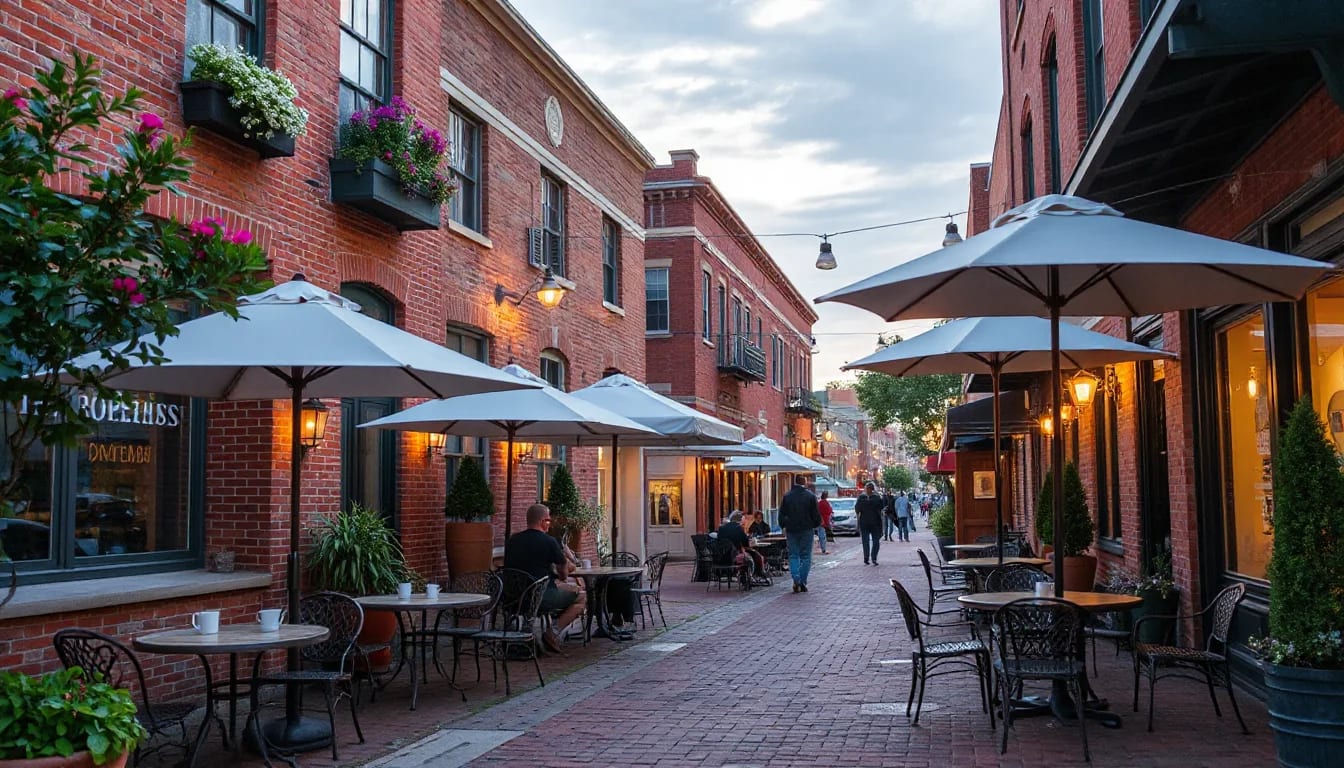
East Texas offers a practical mix of everyday convenience and outdoor access, but the details can vary a lot from one town to the next. If you are comparing locations, it helps to look beyond list price and focus on how parks, dining options, and drive times shape your weekly routine. A little research on these three factors can make a move feel smoother long after closing day.
How daily convenience shapes the East Texas home search
When people start comparing homes in East Texas, square footage and lot size usually get attention first. Just as important, though, is what life feels like once the moving boxes are gone. The distance to a walking trail, how many casual dining options are nearby, and whether the commute includes a quick highway run or several slower local roads can all affect how satisfied you feel with a location over time.
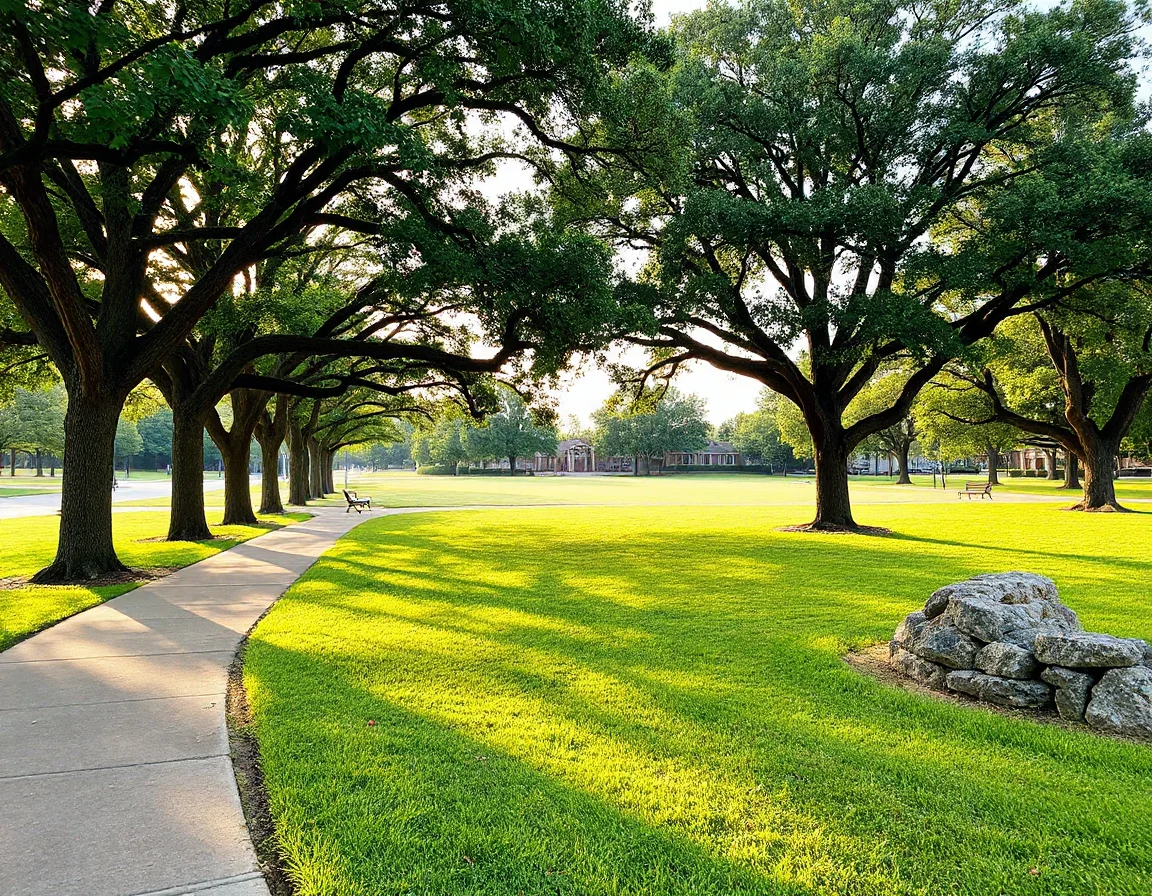
Across the region, many communities balance a slower pace with useful amenities. You may find established neighborhoods near lakes, trails, and community green spaces, while other areas are built around quick access to major roads and shopping corridors. Neither setup is automatically better. The key is matching the home search to the places you expect to visit most often during a normal week.
That is why parks, dining, and commute patterns belong on the same checklist. A home that looks ideal on paper can feel less convenient if every errand requires a longer drive than expected. On the other hand, a location that puts recreation, groceries, and work routes within a comfortable radius can deliver value in ways that photos alone cannot show.
A short test drive during the times you expect to be on the road most often can reveal more than a map estimate. Travel time in East Texas may change depending on school-zone traffic, highway access, and rural road connections.
What to look for when evaluating parks and outdoor access
Parks matter for more than scenery. They can add walking routes, picnic areas, sports facilities, fishing access, and general breathing room to everyday life. In East Texas, outdoor amenities often range from small neighborhood green spaces to large lake-oriented recreation areas, wooded trails, and regional parks with room to spread out.
When comparing locations, consider the type of outdoor access rather than simply asking whether a park exists nearby. A shaded trail system offers a very different experience from an open athletic complex or a waterfront recreation area. If you enjoy early-morning walks, weekend kayaking, or a quiet place to sit outside, it helps to identify which kind of setting is actually close to the homes you are viewing.
Maintenance and usability also matter. Well-kept paths, parking availability, lighting, and the number of entry points can affect how often a park becomes part of your routine. Some buyers prefer a home near a larger destination park they can drive to occasionally, while others value smaller green spaces within a short everyday trip.
It is also smart to think seasonally. East Texas greenery is one of the region’s defining strengths, but weather patterns can influence how and when outdoor spaces get used. A community with a mix of tree cover, paved paths, and access to water or open space may offer more flexibility throughout the year.
Dining options tell you a lot about everyday rhythm
Dining is not just about special occasions. It often reflects how a place functions day to day. In East Texas, food options can range from local breakfast spots and barbecue destinations to regional chains, coffee stops, and independent gathering places near town centers. Looking at what is nearby can help you understand whether an area supports quick weeknight meals, slower weekend outings, or a little of both.
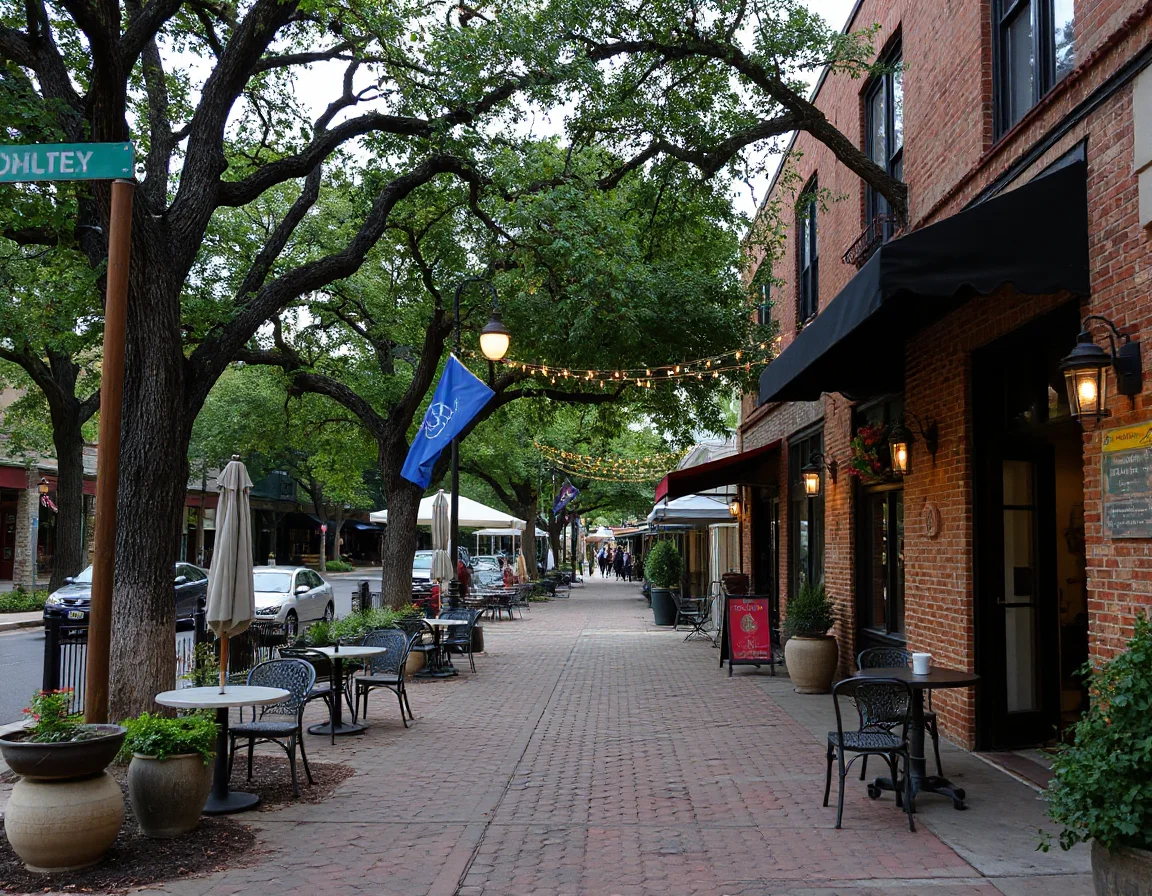
A strong dining mix usually signals a broader convenience network too. Areas with a steady rotation of everyday food options often also have nearby services that support daily errands, from grocery runs to casual meetups. That can make a location feel easier to live in, especially if you want flexible choices without driving across town.
At the same time, more choices are not always the top priority. Some buyers prefer homes in quieter settings where local favorites are a short drive away rather than around the corner. In those cases, the goal is not maximum density of options but a comfortable balance between privacy and access.
One useful strategy is to map your likely routine: where you would grab coffee, meet friends, pick up takeout, or head out for a relaxed dinner. If those trips line up naturally with your drive to work, school, or regular appointments, the area may fit better than one with a longer list of amenities that sit in the opposite direction.
Dining clusters near town centers and highway connectors can save time on busy weekdays. Even a difference of ten minutes each way can noticeably change how convenient a location feels over the course of a month.
Commute times in East Texas can be more nuanced than they appear
One of the most common mistakes in a move is assuming that a destination is “close enough” based only on mileage. In East Texas, commute times depend on much more than the number of miles between two points. Road type, traffic signals, rail crossings, school-zone timing, and access to major corridors can all shape the real experience.
Some locations offer straightforward drives with reliable timing, while others may feel less predictable even when they look convenient on a map. If you commute to a hospital, manufacturing site, downtown office, university, or regional retail district, it helps to test the route in real conditions. Morning and late-afternoon travel windows often tell a different story than a midday preview drive.
For remote or hybrid workers, “commute” may mean something broader. You may care more about quick trips to the airport, reliable routes to client meetings, or easy access to neighboring towns. In that case, a home’s position within the broader East Texas road network becomes just as important as its immediate neighborhood setting.
Putting it all together before you make an offer
The best way to compare East Texas locations is to think in terms of patterns, not isolated features. A beautiful park nearby is a plus, but it becomes even more valuable when it fits naturally into your route home. A favorite dining area is more useful when it is connected to your errands rather than requiring a separate trip. A manageable commute matters most when it stays consistent through the week.
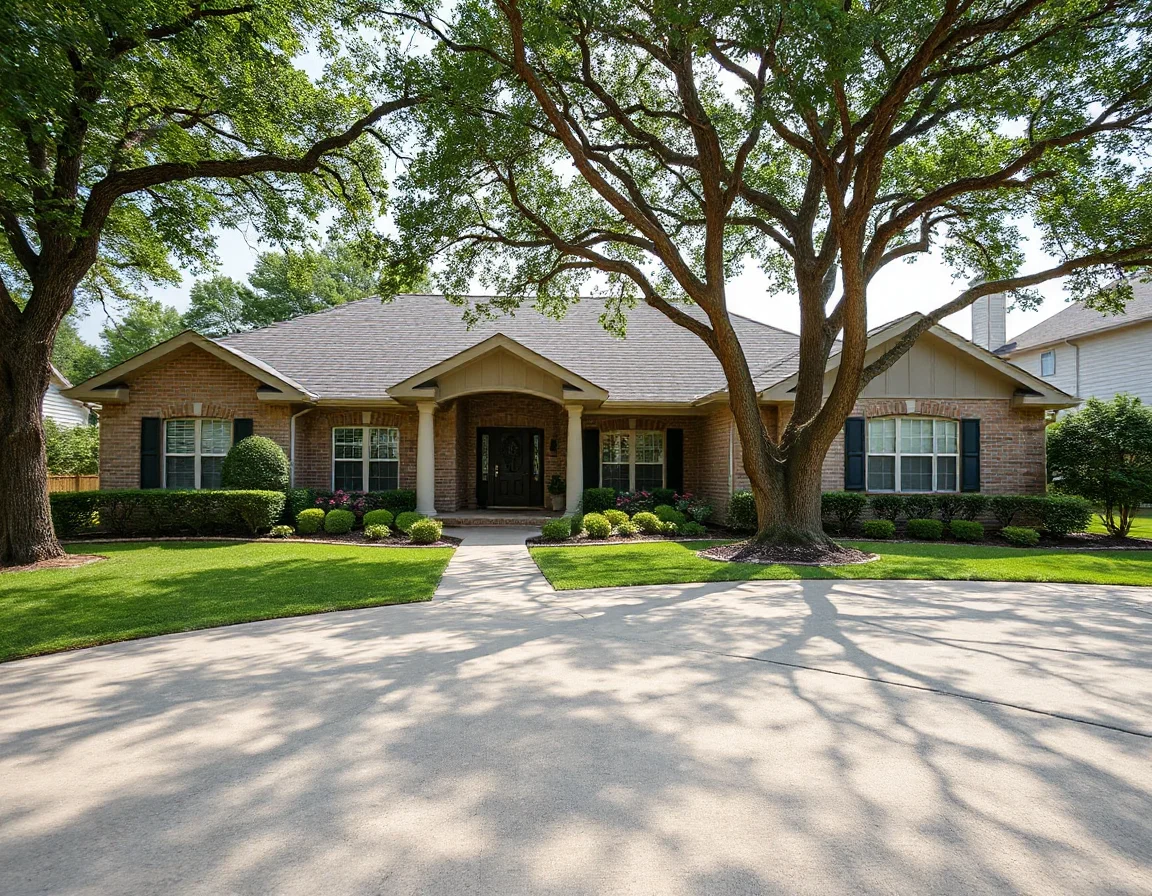
As you narrow your options, try reviewing each property through three simple questions: How easy is it to get outside? How easy is it to handle a normal meal or errand without extra planning? And how predictable is the drive to the places you visit most? Those answers often reveal more about long-term satisfaction than a feature sheet alone.
East Texas offers a wide range of living environments, from more connected in-town settings to homes with extra space and a quieter feel. The right choice usually comes down to how you want your week to flow. When parks, dining, and commute routes all support that rhythm, a home can feel like a stronger fit from the start.