

Seasonal shifts can change pricing power, inventory pace, and negotiation leverage across South Texas. Buyers and sellers who pay attention to listing timing, property condition, and current local competition are usually better positioned to make confident decisions. This guide breaks down the practical signals worth watching now so you can plan your next move with fewer surprises.
Why the season matters in South Texas real estate
Real estate does not move in exactly the same way every month, and that is especially true in a broad region like South Texas. Weather patterns, school calendars, job changes, tax timelines, and holiday schedules can all influence when homes come to market and how quickly buyers respond. Even when mortgage rates dominate headlines, the season still affects showing traffic, listing presentation, and the number of competing homes available at the same time.
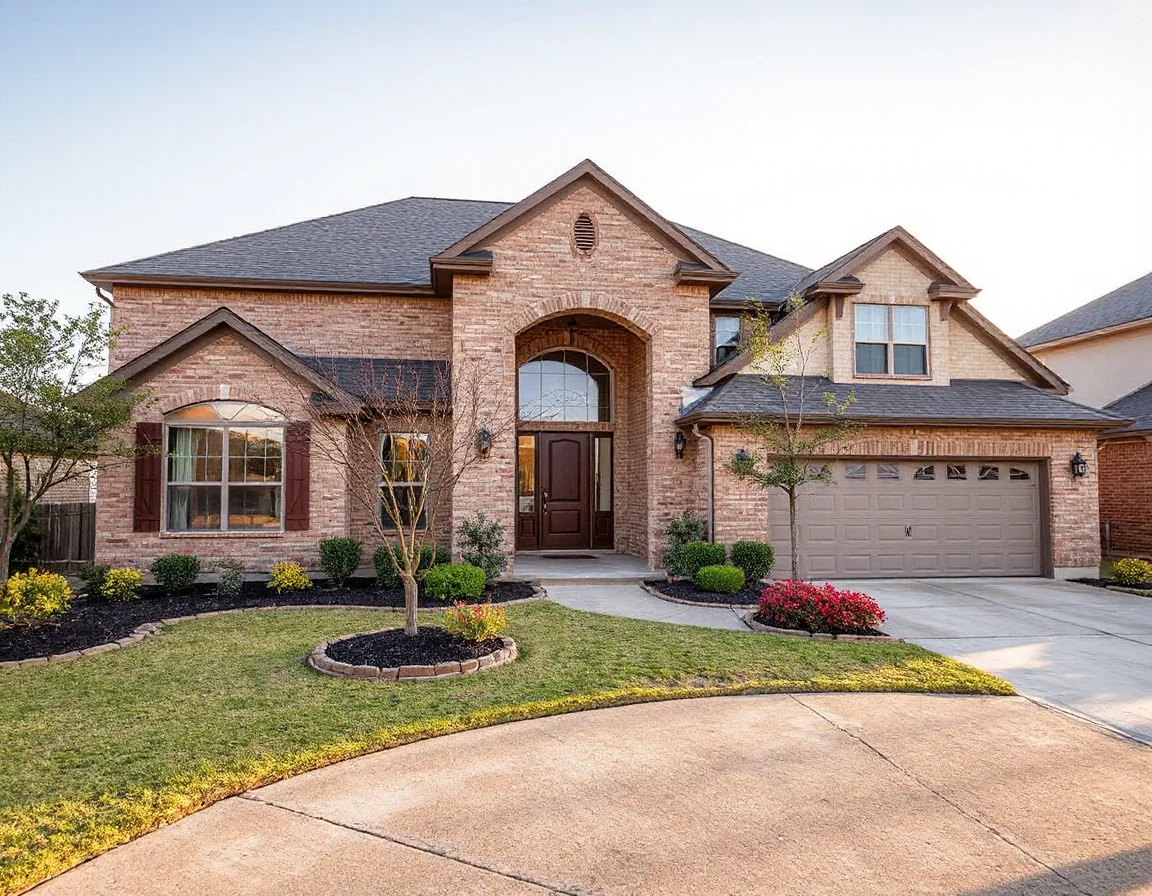
For buyers, that can mean more choices during one stretch of the year and stronger competition during another. For sellers, it often means presentation and pricing become even more important when several similar listings hit the market together. A seasonal strategy is not about guessing perfectly. It is about reading the conditions in front of you and adjusting quickly.
In South Texas, another layer comes into play: geography. Coastal communities, inland cities, rural properties, and suburban neighborhoods may all react differently at the same time. A home near employment centers may attract steady interest year-round, while a property tied to vacation patterns or second-home demand may follow a different rhythm. Watching local inventory and days on market is often more useful than following broad national averages.
If new listings rise faster than buyer demand in your part of South Texas, pricing discipline matters immediately. The first two weeks on market often shape the tone of the entire transaction.
What buyers should watch right now
Buyers should start with inventory quality, not just inventory count. A jump in available listings may sound encouraging, but the real question is whether those homes match your price range, location preferences, and must-have features. If fresh listings are appearing regularly, buyers may have more room to compare options and negotiate repairs, closing costs, or timelines. If inventory is still tight in a specific area, hesitation can mean losing a strong property to another offer.
It also helps to track how long homes are staying on the market. When well-prepared listings move quickly, that usually signals continued demand. When listings linger, price reductions and seller concessions may become more common. Neither situation is automatically good or bad; it simply changes how you should write an offer. A fast market may reward preparation and clean terms, while a slower market may create openings for careful negotiation.
Mortgage affordability remains a major part of the buyer equation. Seasonal changes can influence your monthly budget indirectly if they affect insurance quotes, utility expectations, or the type of property you are considering. In South Texas, buyers often benefit from looking closely at roof condition, HVAC performance, drainage, and any storm-related maintenance history, since those factors can shape ownership costs well beyond the purchase price.
Another smart move is to watch for the difference between list price and final sale terms. A home can appear firm on price while still offering flexibility elsewhere, such as repair credits, closing dates, or included appliances. Buyers who keep a close eye on the full structure of recent deals often develop a sharper sense of where real leverage exists.
What sellers should pay attention to before listing
Sellers benefit from looking at the competitive set with fresh eyes. That means reviewing homes currently on the market, recently pending listings, and closed sales that truly resemble your property in size, condition, and location. In a seasonal market, the challenge is not just setting a reasonable price. It is making sure your home stands out the moment buyers begin comparing it to everything else newly available.
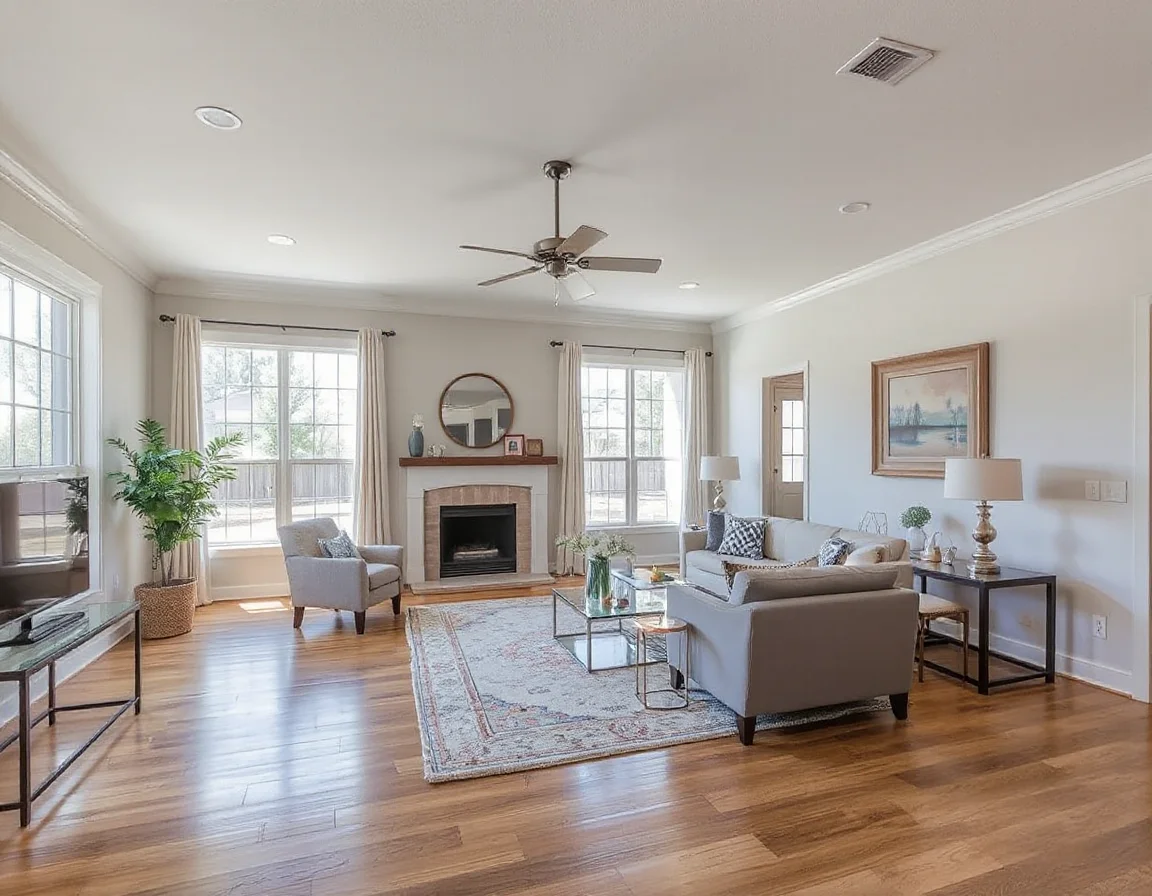
Condition matters in every season, but it can matter even more when buyers have choices. Touch-up paint, trimmed landscaping, clean windows, and a tidy entry sequence can improve first impressions without requiring a major renovation. Inside, light, airflow, and uncluttered rooms help buyers understand the layout quickly. If your home has features that help with comfort and maintenance, such as updated windows, a newer roof, or recent mechanical improvements, those details should be easy to identify during showings.
Timing also matters. Listing too early, before photos and repairs are complete, can weaken momentum. Listing too late, after the largest wave of active buyers has already committed elsewhere, can reduce traffic. The goal is to enter the market when the home is fully ready and when nearby competition does not overshadow it. That often means planning several weeks ahead rather than deciding on a list date at the last minute.
Small preparation steps can influence perceived value more than many owners expect. Clean presentation, accurate pricing, and strong photography often work together better than a late price cut.
Finally, sellers should pay attention to negotiation trends. If buyers are requesting more credits or repairs this season, it is better to anticipate that in your strategy rather than treat every request as a surprise. A realistic plan on concessions, move-out timing, and repair responses can help keep a transaction together once offers start coming in.
Neighborhood amenities and local demand still shape outcomes
Seasonality never tells the whole story by itself. Demand can remain steady in areas with strong access to major roads, employment centers, parks, waterfront recreation, medical facilities, and everyday services. That is why hyper-local information matters so much. Two neighborhoods only a short drive apart can perform differently because buyers respond to commute patterns, lot sizes, housing styles, or available inventory in different ways.
South Texas also offers a wide variety of property types, from established in-town homes to newer construction, rural acreage, and coastal options. Each comes with its own buyer expectations. A newer home may draw attention for lower near-term maintenance, while an older property may compete on lot size, mature landscaping, or architectural character. Sellers who understand what buyers are prioritizing in their specific segment can position their homes more effectively.

Buyers, meanwhile, should think beyond the first showing. Visiting an area at different times of day, checking drive times, and reviewing nearby amenities can make it easier to decide whether a home fits your routines. A property that looks great online may feel different once you understand traffic flow, lot orientation, outdoor space, or nearby conveniences. Taking that extra step can prevent rushed decisions during a busy season.
When the market feels uncertain, people sometimes wait for the “perfect” moment. In practice, the better approach is usually to understand current conditions, know your budget or equity position, and be ready to act when the right opportunity appears. That applies to both sides of the transaction.
A practical way to move forward this season
The most useful market signals this season are simple: how many comparable homes are available, how quickly strong listings are moving, how pricing is holding up, and what buyers and sellers are negotiating once a contract is on the table. Those clues reveal far more than general chatter. They also help turn a vague plan into a smart, timed strategy.
For buyers, preparation means understanding financing, narrowing priorities, and watching local listings closely enough to recognize value when it appears. For sellers, preparation means presenting the home well, pricing against current competition, and entering the market with a realistic negotiation plan. In both cases, clear local guidance can make seasonal trends easier to interpret.
If you are planning a move in South Texas, this is a good time to review the market through the lens of your specific goals rather than broad assumptions. The season can create openings, but the best results usually come from matching timing with strong preparation and current local data.